
Description
A lot of board-level work runs well below a gigahertz, yet still needs a clean view between two floating nodes. The Tektronix TDP0500 differential probe covers that ground with 500 MHz of bandwidth. A differential probe reads the voltage from its positive input to its negative input, rather than from one point to ground. This model adds a 5X / 50X attenuation switch and connects through TekVPI. Lost in HCM offers it for rental or purchase and also arranges service on request.
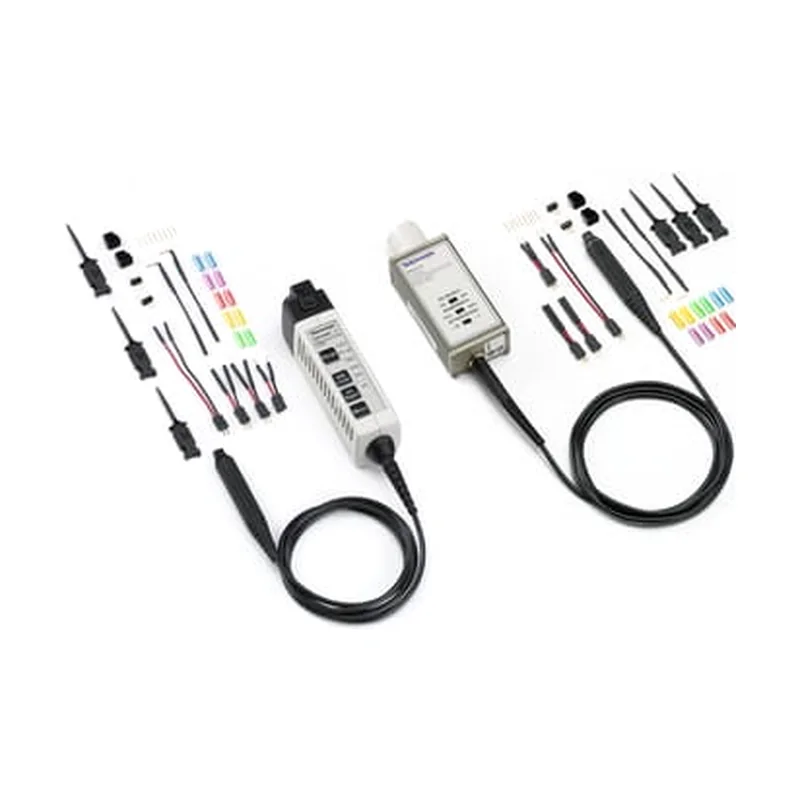
Why 500 MHz is often plenty
Many control, power and bus signals change far slower than the probe can follow. For example, motor drive control lines, CAN pairs and sensor outputs rarely need a faster probe. In those cases, the TDP0500 shows the full waveform while a 1 GHz model adds little. Even so, check the fastest edge in your design before you decide. If it is close to the limit, the TDP1000 listing offers 1 GHz with the same input figures.
What the TDP0500 lists
- Bandwidth: 500 MHz.
- Attenuation: 5X or 50X, selectable.
- Differential input range: ±4.2 V at 5X and ±42 V at 50X.
- Differential input impedance: 1 MΩ with 1 pF or less.
- Interface: TekVPI.
These are family-page values. Also read the Tektronix data sheet for common-mode limits, transient limits and derating.
Picking a range on the Tektronix TDP0500 differential probe
Begin at 50X when you do not know the signal level yet. Once the trace sits well inside ±4.2 V, change to 5X for a finer view. Set the attenuation and the vertical scale before the circuit powers up, because a range change mid-test can confuse a reading. Also confirm that the scope shows the right scale factor after each switch.
Making connections that hold up
Attach the positive lead to one test point and the negative lead to the other. Keep both leads short and routed together, since a wide loop picks up noise. In addition, use only accessories rated for the job. Do not exceed the lowest rating in the probe, tip and scope chain, and follow the manufacturer’s manual and ratings.
Quotes for rental or purchase
Teams often rent a probe like this for a pilot build, an EMC or field study, or a supplier audit. Others buy it as a standard tool for a controls or power lab. Send your scope model, voltages, signal speed and tip needs when you request a TDP0500 quote from Lost in HCM. You can also see the full oscilloscope probes range, open tek.com, or contact SMK Vietnam about the Tektronix TDP0500 differential probe.
TDP0500 FAQ
What separates it from the TDP1000?
Only the bandwidth, based on the two listings. This one gives 500 MHz, while the TDP1000 gives 1 GHz.
Does it include a common-mode rating?
The listing does not state one. So check the Tektronix data sheet before you connect to a node far from ground.
Which tips come with it?
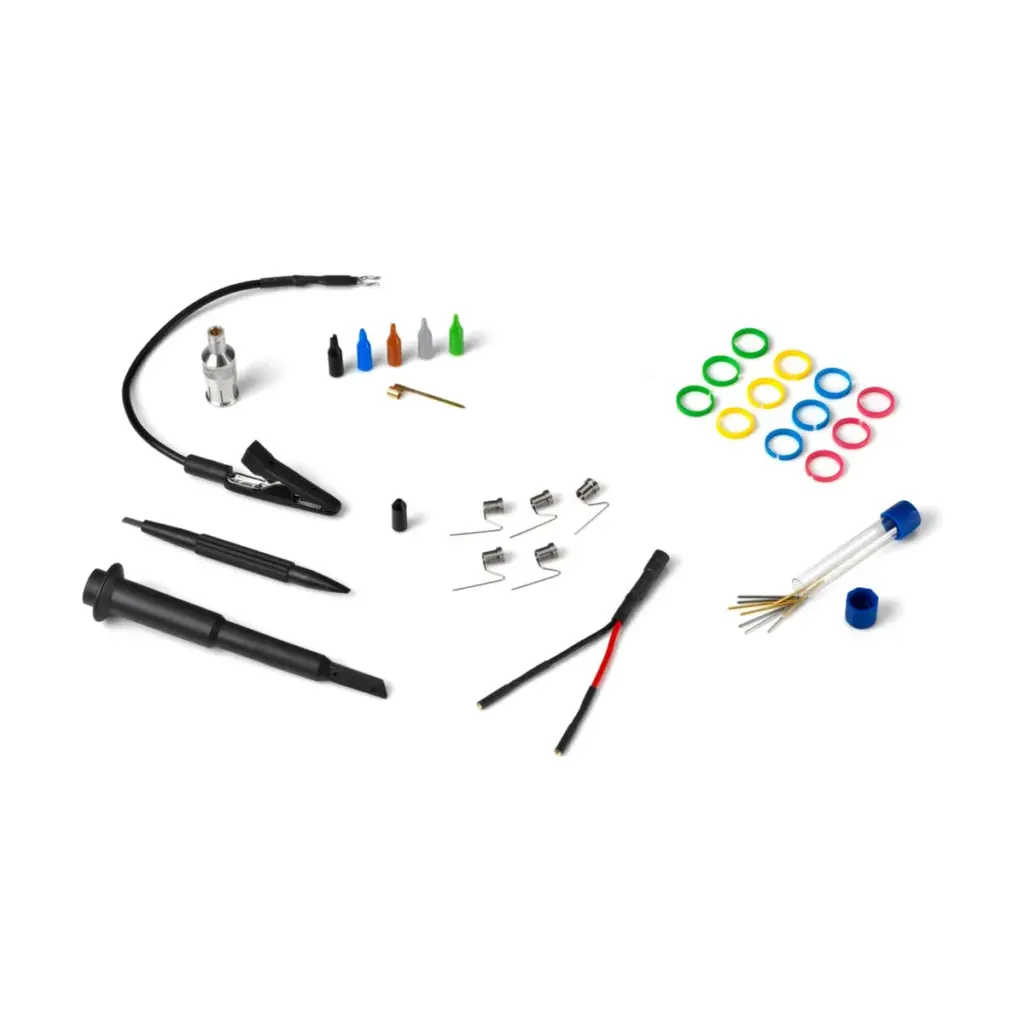
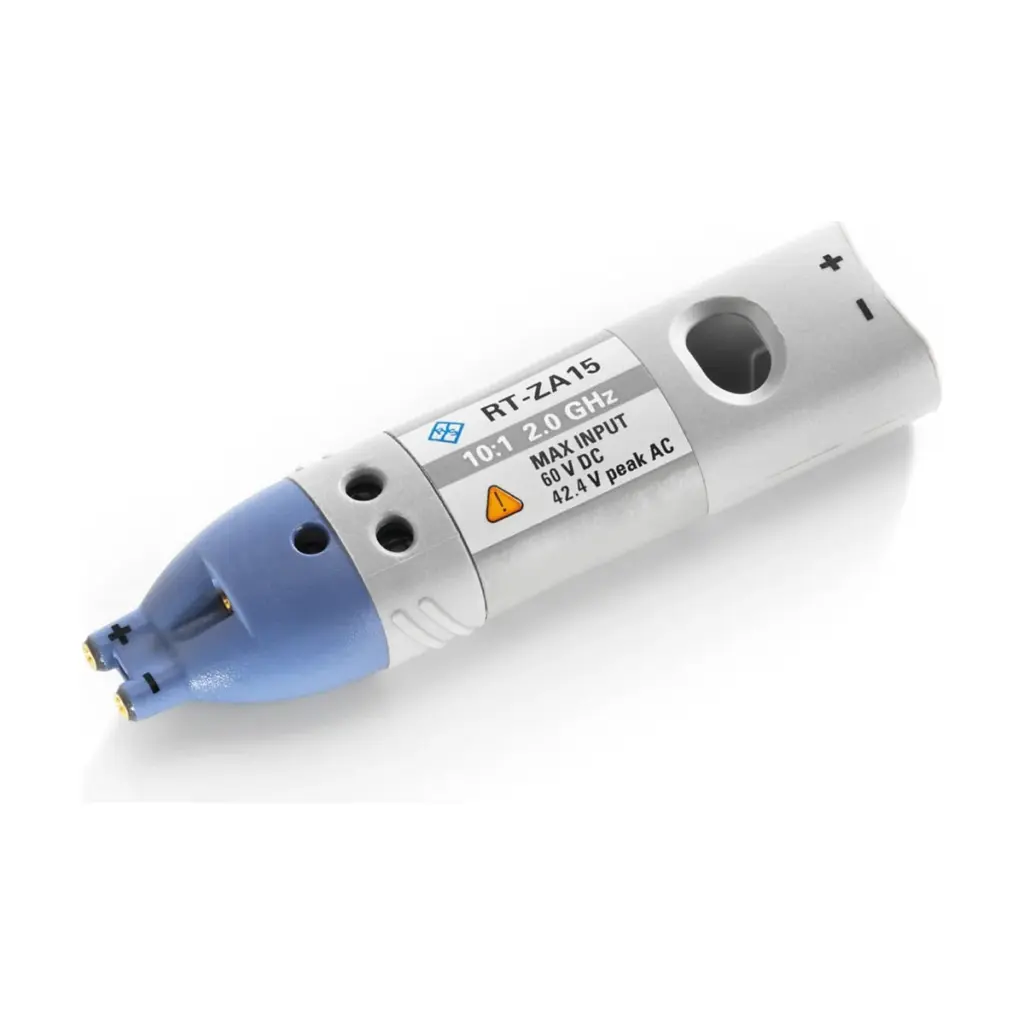
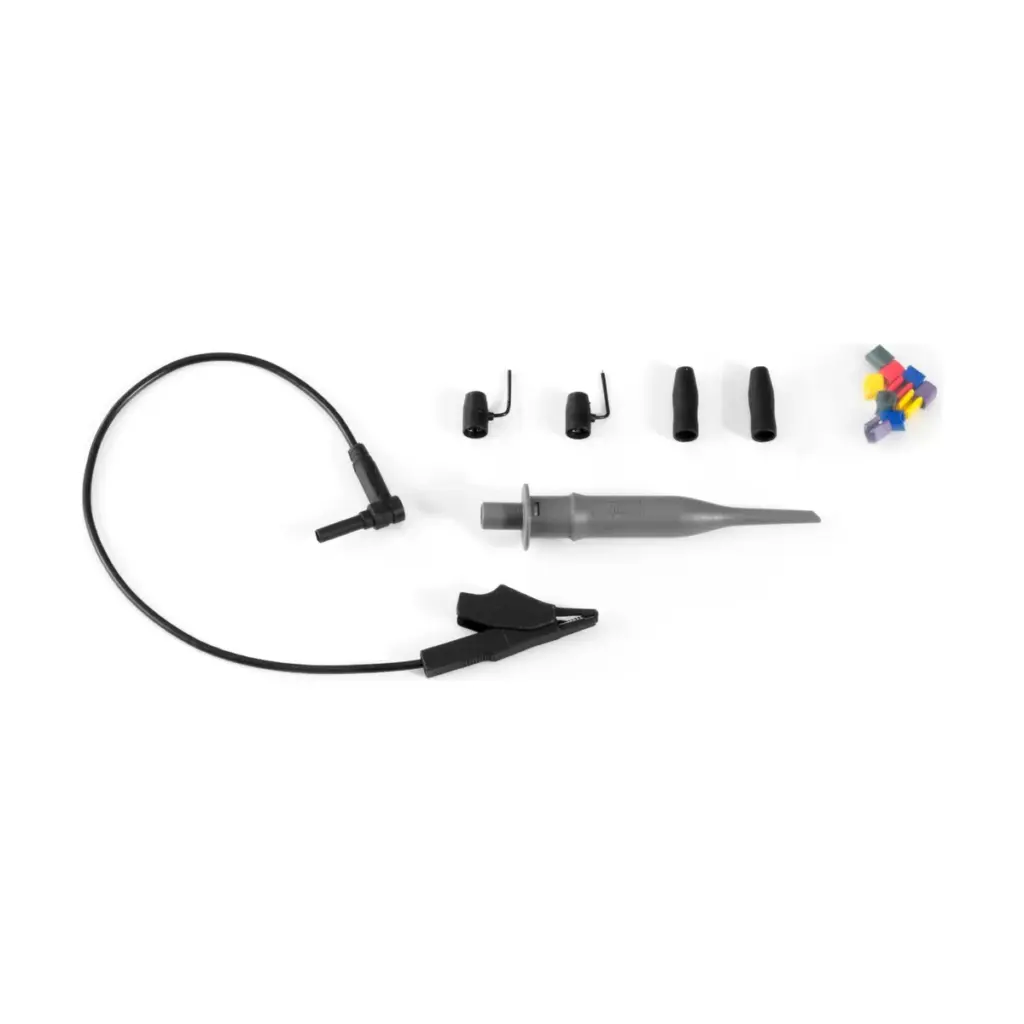
Supplied accessories vary by model, and the photo shows a probe family. Ask Lost in HCM to confirm the set.








Reviews
There are no reviews yet.