
Description
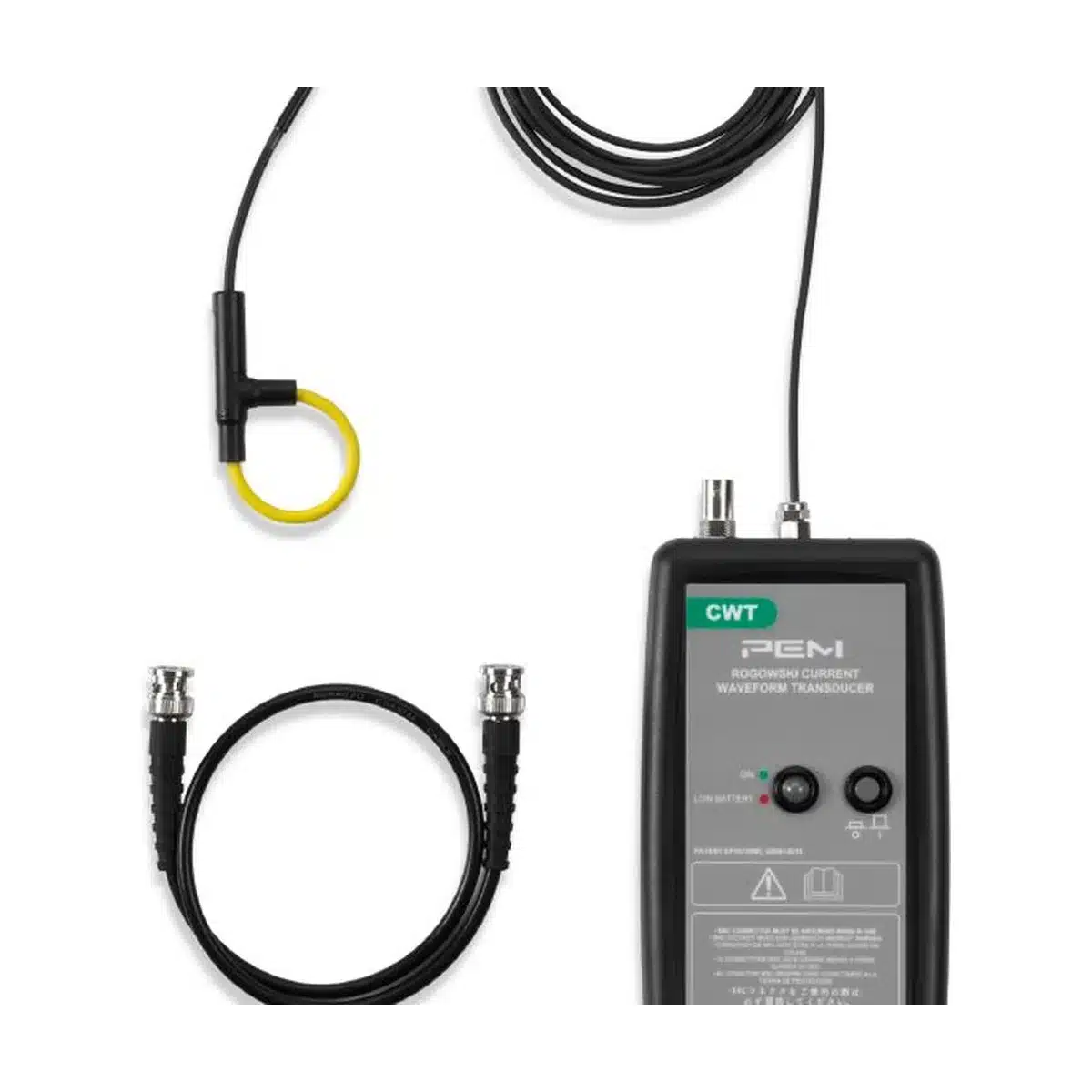
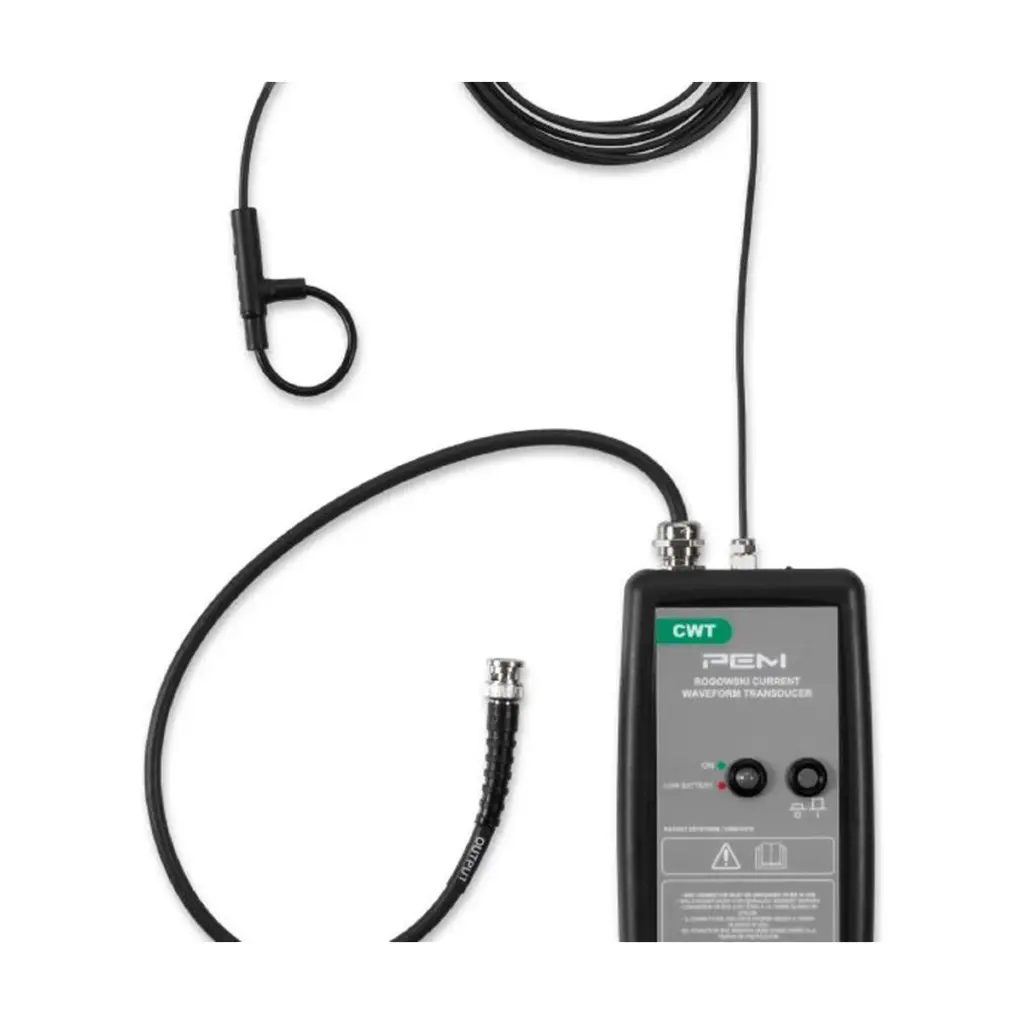
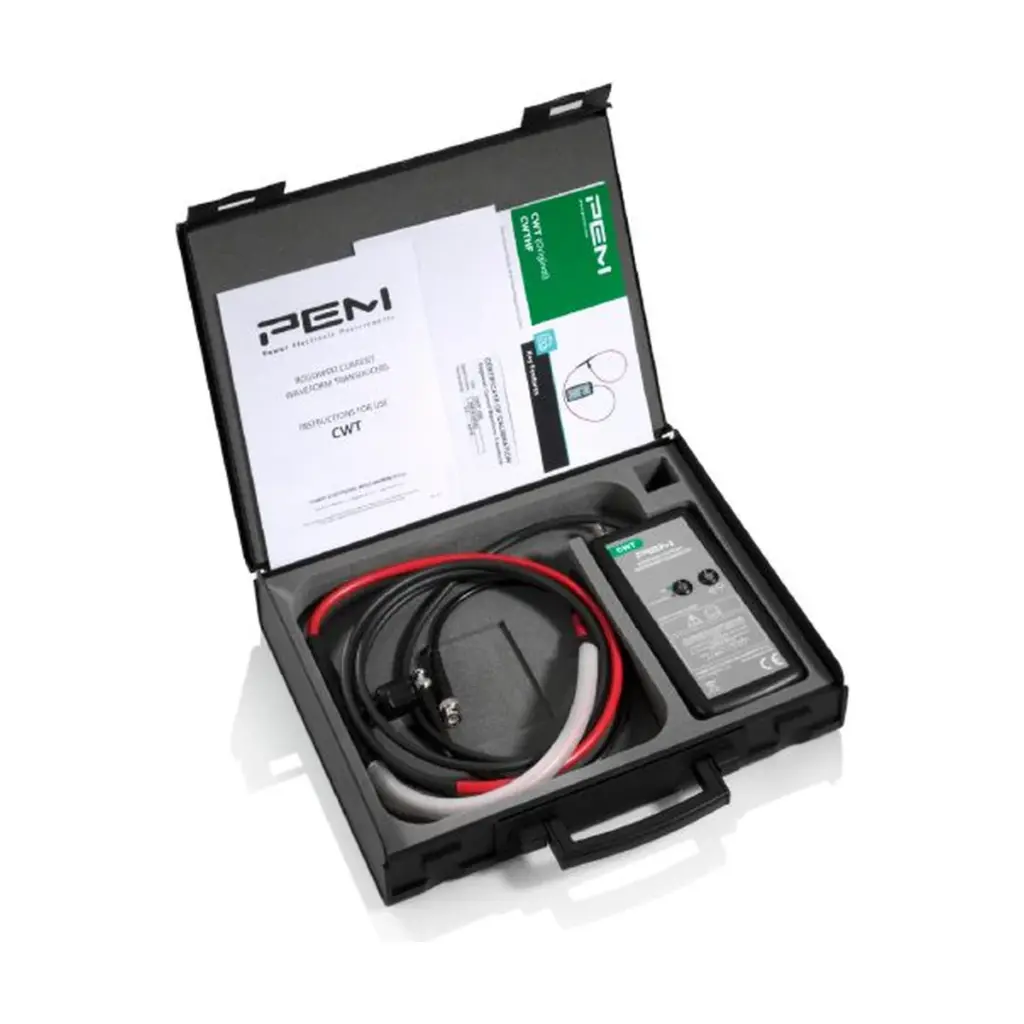
Not every power job involves kiloamps. The Rohde & Schwarz CWTMN1 probe is a Rogowski current probe for up to 300 A over 4.0 Hz to 20 MHz. That means a slim, flexible coil loops around the conductor. Then an integrator box turns its signal into a current trace. Lost in HCM lists it in Vietnam for rental and sale.
What the name tells you
Rohde & Schwarz files this coil under the longer code CWTMini/1/(B)/2.5/100/5. Read it from left to right. You get a mini coil, a 2.5 m cable, a 100 mm coil and a 5 kVpk coil voltage. So the short CWTMN1 name hides a compact probe built for crowded boards and cabinets.
Twenty millivolts per amp
Among the Rogowski coils in this group, the CWTMN1 gives the strongest output, at 20 mV/A. Thus a 10 A ripple produces 200 mV, which reads well even on a busy screen. However, the top end stops at 20 MHz. Very fast SiC or GaN edges may need a 50 MHz coil instead.
Projects that suit the Rohde & Schwarz CWTMN1 probe
- Motor drives for pumps, fans and conveyors.
- Inverter air conditioner and appliance boards.
- PFC stages and DC-DC converters at moderate power.
- University power electronics labs and training rigs.
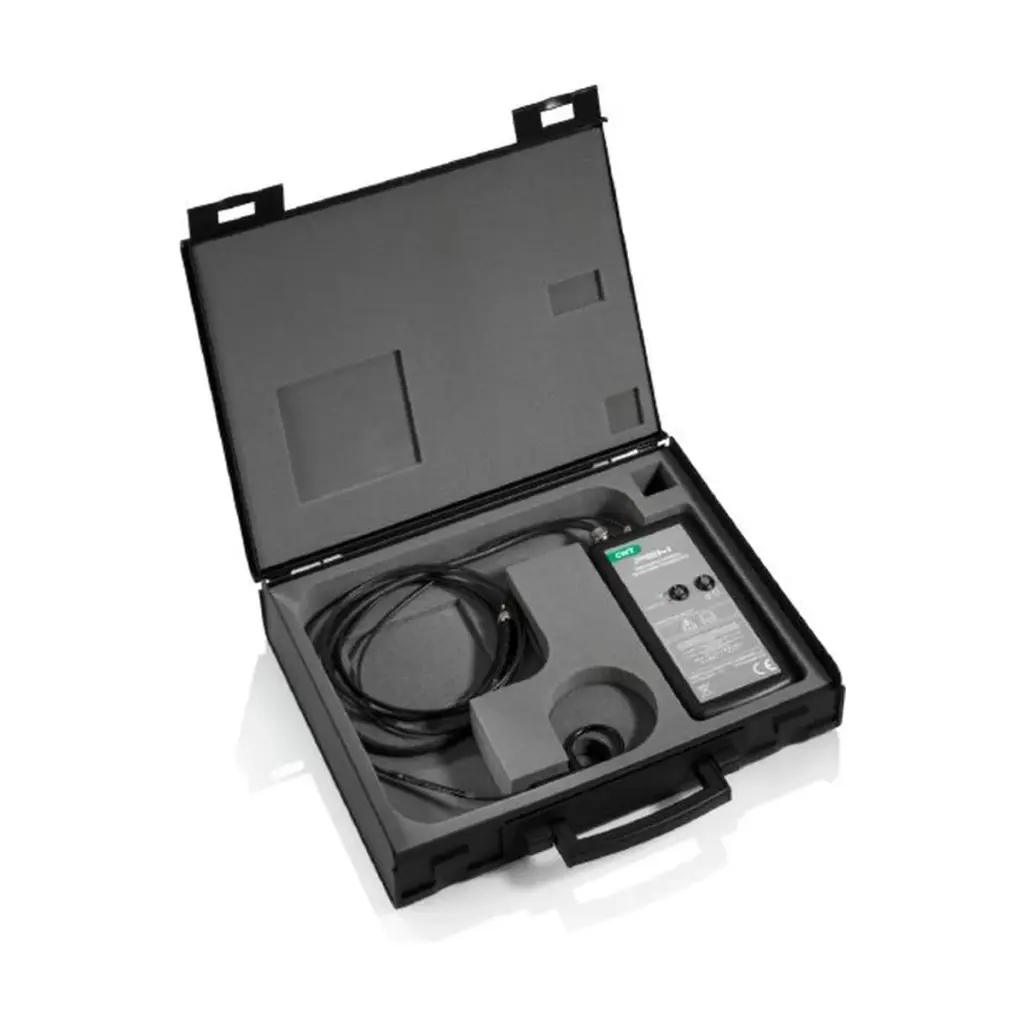
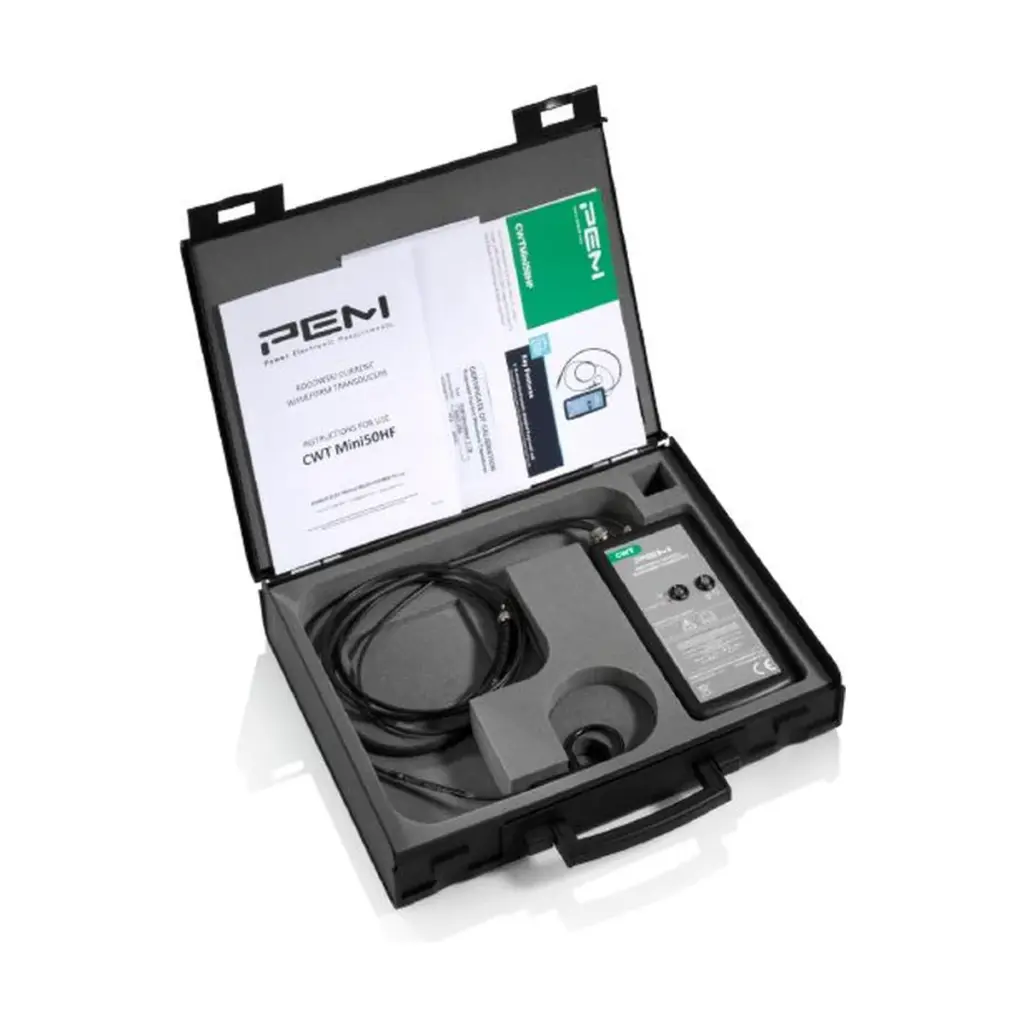
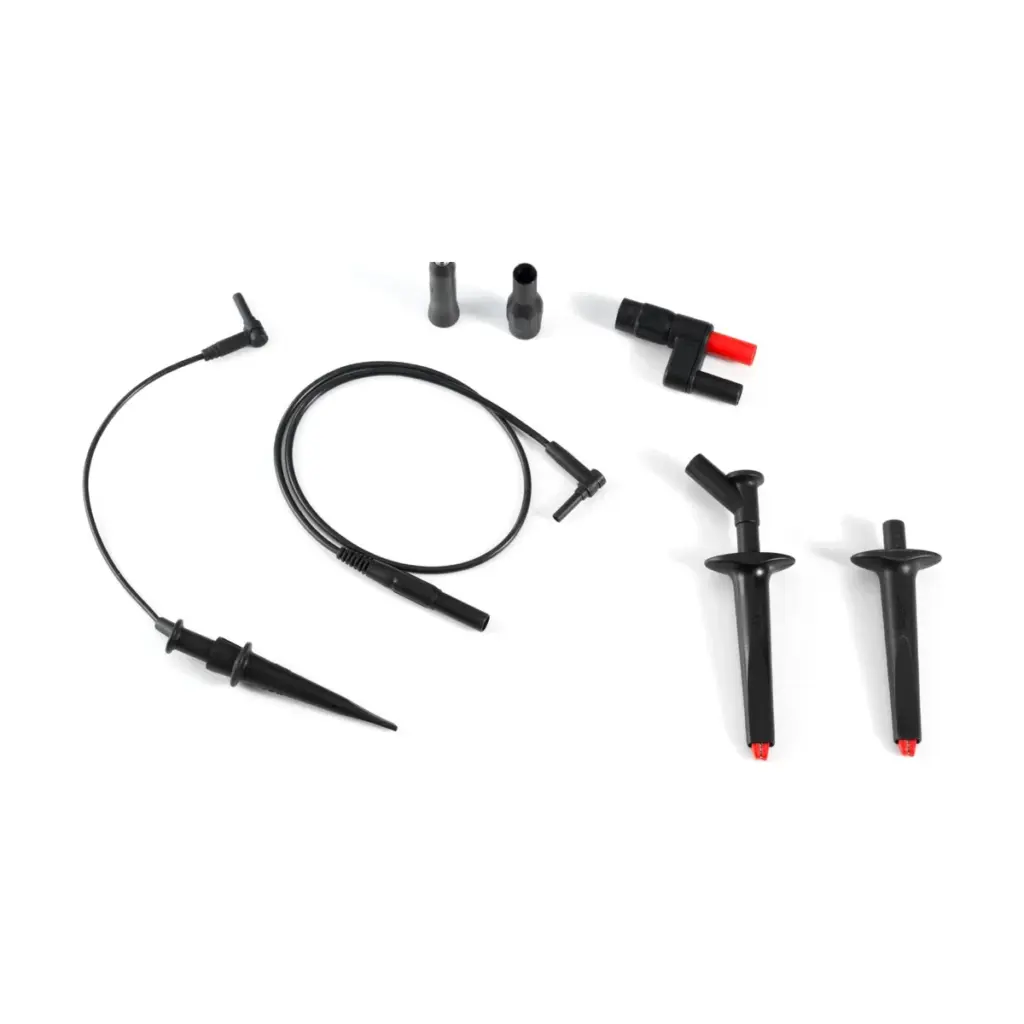
In each case the current stays well under 300 A. As a result, the higher output beats the extra range of a larger coil. The Rohde & Schwarz CWTMN1 probe also travels well, since the whole kit fits in one small case.
Rent for a project, keep for a lab
A short R&D push or a one-off audit makes a good case for renting. Meanwhile, a teaching lab may prefer to keep one. So send your request to Lost in HCM with the scope model, expected current, conductor size and dates. You can also see other oscilloscope probes or check the official Rohde & Schwarz listing. For other questions, contact SMK Vietnam.
CWTMN1 questions
Is 20 MHz enough for my converter?
It depends on edge speed. Many silicon drives sit well inside 20 MHz, while fast wide-bandgap edges may need more.
Can I wrap it around a cable bundle?
A Rogowski coil reads the net current through its loop. So wrap it around one conductor unless you want the sum.
Does it measure DC?
No. The listed band starts at 4.0 Hz, so steady DC gives no output. For DC, pair the scope with a clamp-type current probe instead.








Reviews
There are no reviews yet.