
Description
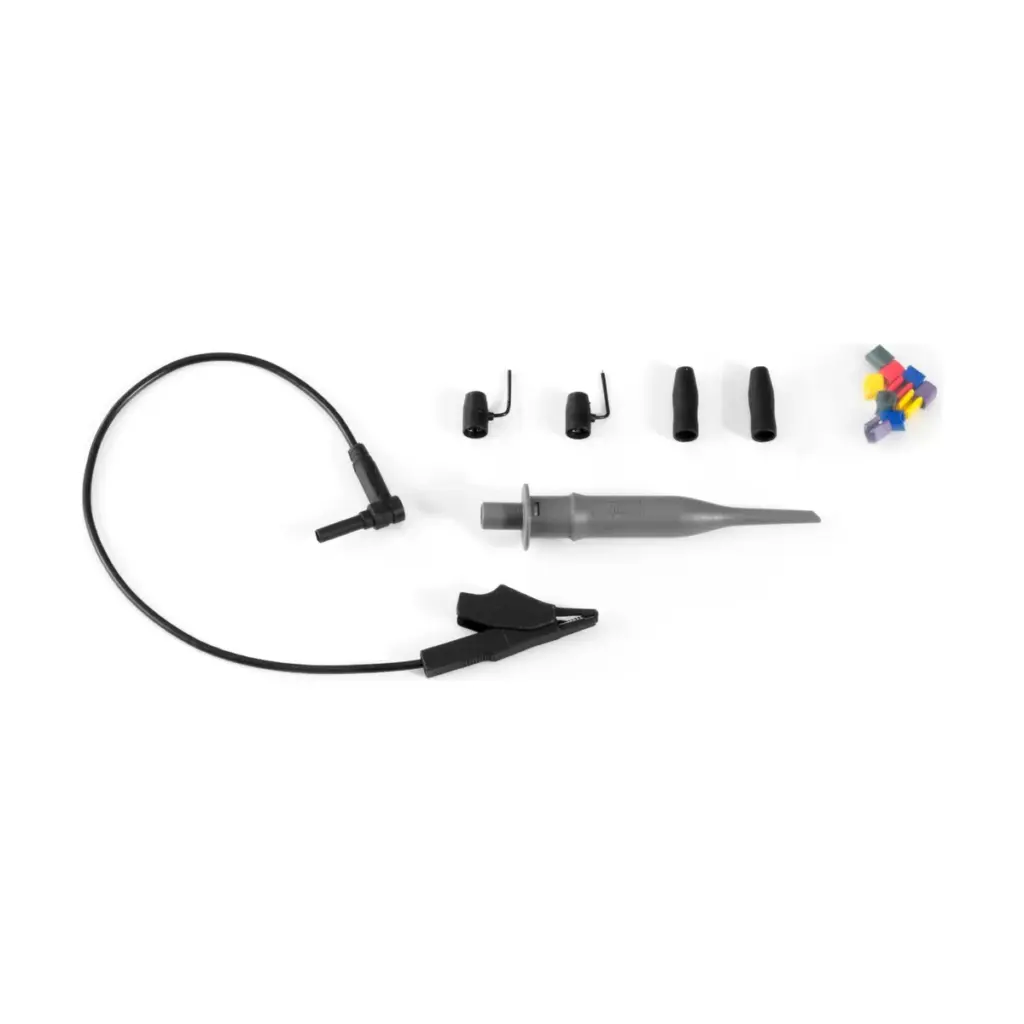
Isolated measurement is not only for the fastest GaN designs. IGBT drives, chargers and many power supplies switch at more modest speeds, yet their floating nodes still need isolation from earth. So the Tektronix TIVP02 IsoVu probe serves that work. It is an optically isolated differential voltage probe with 200 MHz bandwidth, a 2 m fiber and a TekVPI interface.
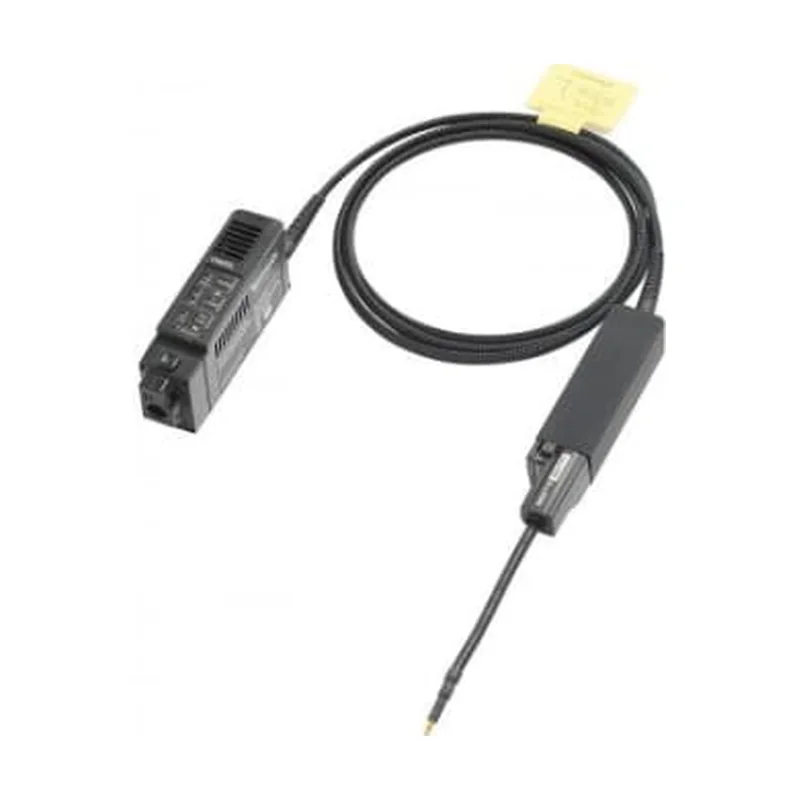
The entry bandwidth of the TIVP line
At 200 MHz, the TIVP02 has the lowest bandwidth of the TIVP models that Lost in HCM lists. The TIVP05 and TIVP1 raise that to 500 MHz and 1 GHz. So the TIVP02 makes sense when your edges sit well inside 200 MHz. It also keeps the fiber short, which suits a normal bench.
Work suited to the Tektronix TIVP02 IsoVu probe
For example, IGBT gate drive in industrial motor drives fits well. Another is the high-side switch in an offline power supply. In addition, battery charger designers can check floating sense lines. Training labs at universities may also prefer one isolated probe for many student power projects.
Setting up the TIVP02
First, look at the scope. It needs a TekVPI input and firmware that supports the probe. Next, pick a sensor tip for the voltage swing, since the differential range depends on the tip. The family spans ±5 V to ±2500 V across tips, and the top figure needs high attenuation. Then check common-mode limits. The family figure reaches ±60 kV under manufacturer conditions, with frequency and safety derating.
Buying or renting the probe
Lost in HCM rents and sells the TIVP02 and arranges service on request. For instance, a rental covers a drive retrofit study or a short validation job. Alternatively, buy it if your team measures floating nodes on most projects. To request a TIVP02 quote from Lost in HCM, list the scope model, signal bandwidth and both voltage levels. You can also see other oscilloscope probes, open Tektronix, or contact SMK Vietnam. On every project, follow the manufacturer’s manual and ratings for the Tektronix TIVP02 IsoVu probe.
TIVP02 questions
How do I know if 200 MHz is enough?
First, compare it with the fastest edge you need to see. If edges approach the limit, look at the TIVP05 or TIVP1.
What is the difference between the TIVP02 and the TIVP02L?
Fiber length. The TIVP02 has 2 m and the TIVP02L has 10 m, and both list 200 MHz.
Which tip is standard?
Listings name TIVPMX10X. Confirm the supplied kit and tip ratings in the quote.








Reviews
There are no reviews yet.