
Description
Not every power stage needs the top bandwidth, yet a clamp can be too slow or too bulky for a dense board. The Tektronix TICP050 IsoVu current probe fills that gap at 500 MHz. Like its siblings, it reads current as a voltage across a shunt and keeps the measurement on an isolated path.
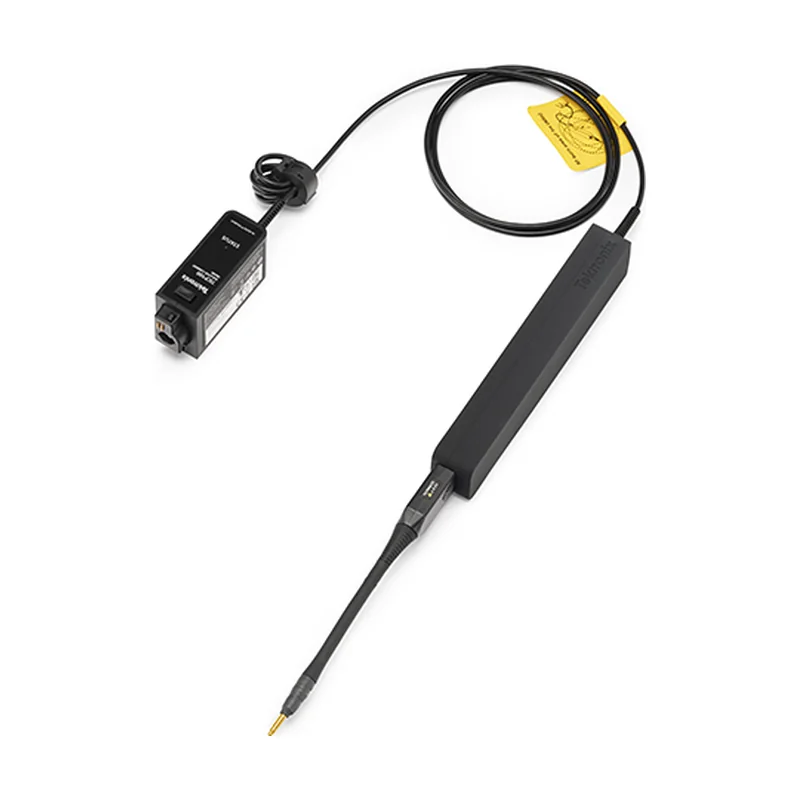
500 MHz and 700 ps: the middle choice
The TICP050 has a 700 ps typical rise time. That places it between the 400 ps TICP100 and the 1.4 ns TICP025. Therefore, it often fits silicon carbide stages and fast motor drives, where edges are quick but not extreme. If your edges are slower, the TICP025 may cover them. On the other hand, GaN work at the limit points to the TICP100.
Choosing a shunt for the TICP050
The shunt does much of the work in this setup. Its resistance sets the voltage the probe sees, while its power rating sets how much current it can carry. Pulse capability matters as well, since switching tests often create short, high peaks. Then divide the measured voltage by the shunt resistance to get amps. Keep the loop small, because the shunt and its wiring limit the bandwidth of the whole chain.
Figures shared with the rest of the family
Several numbers match the other TICP models. For instance, typical DC gain accuracy sits at ±1.5%, and the cable to the scope is 2 m long. With the 1X tip fitted, the input presents 50 Ω. In addition, typical noise density comes to 4.70 nV/√Hz.
Test benches that suit the Tektronix TICP050 IsoVu current probe
Inverter teams can check phase current through a shunt on either side of the switch. Double-pulse rigs for SiC modules also benefit, because loss math needs clean switching current. In addition, university power labs may share one probe across several research projects.
Rent or buy through Lost in HCM
Lost in HCM lists the TICP050 for rental and sale, with service on request. A rental can cover a module qualification run or a customer audit. Then, if the work becomes routine, a purchase may make more sense. To ask Lost in HCM for a TICP050 quote, give the scope model, waveform bandwidth, current level and shunt plan. Also see the full range of oscilloscope probes, the Tektronix website, or contact SMK Vietnam. Follow the manufacturer’s manual and ratings with the Tektronix TICP050 IsoVu current probe.
Common TICP050 questions
Why choose 500 MHz instead of 1 GHz?
If your current edges are not at the GaN limit, 500 MHz may cover them. Compare your edge times with the 700 ps rise time first.
What sets the maximum current?
The shunt does. Its resistance, power rating and pulse limits define the usable range.
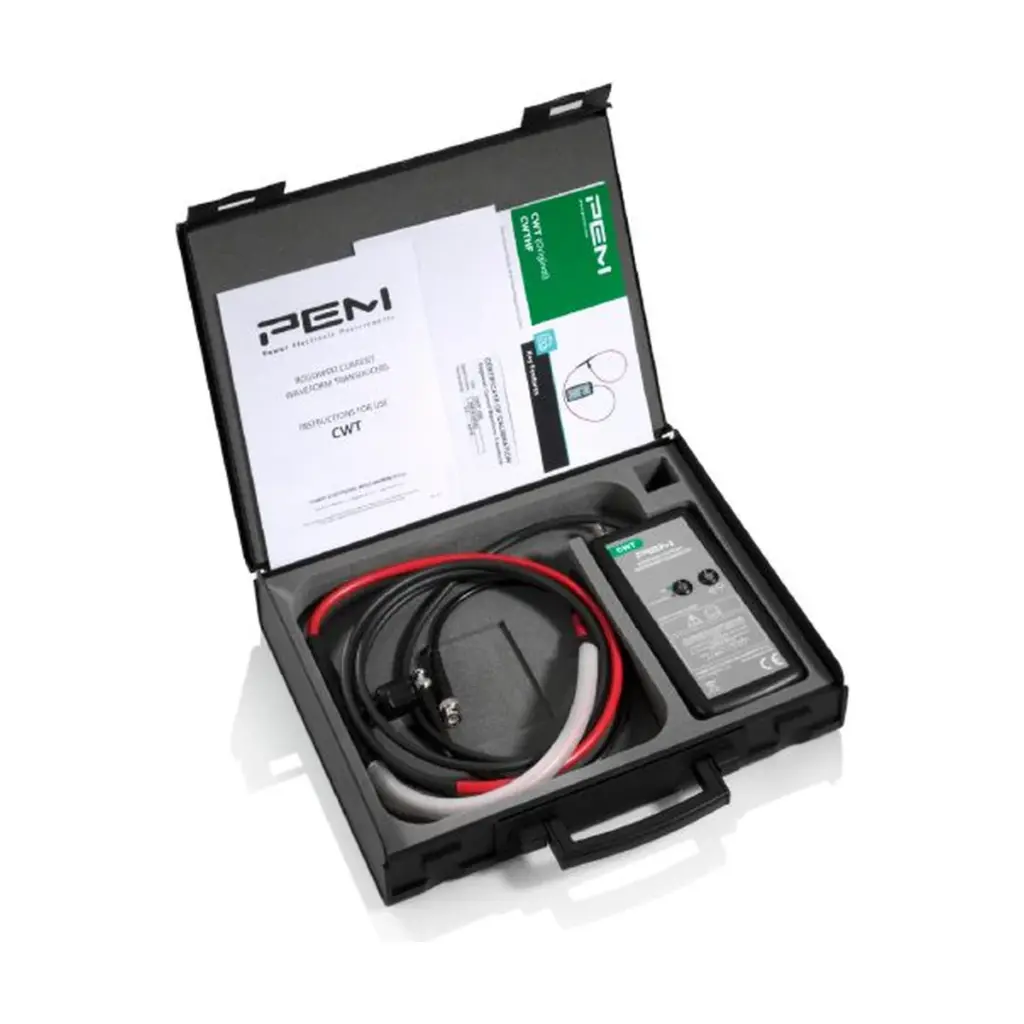
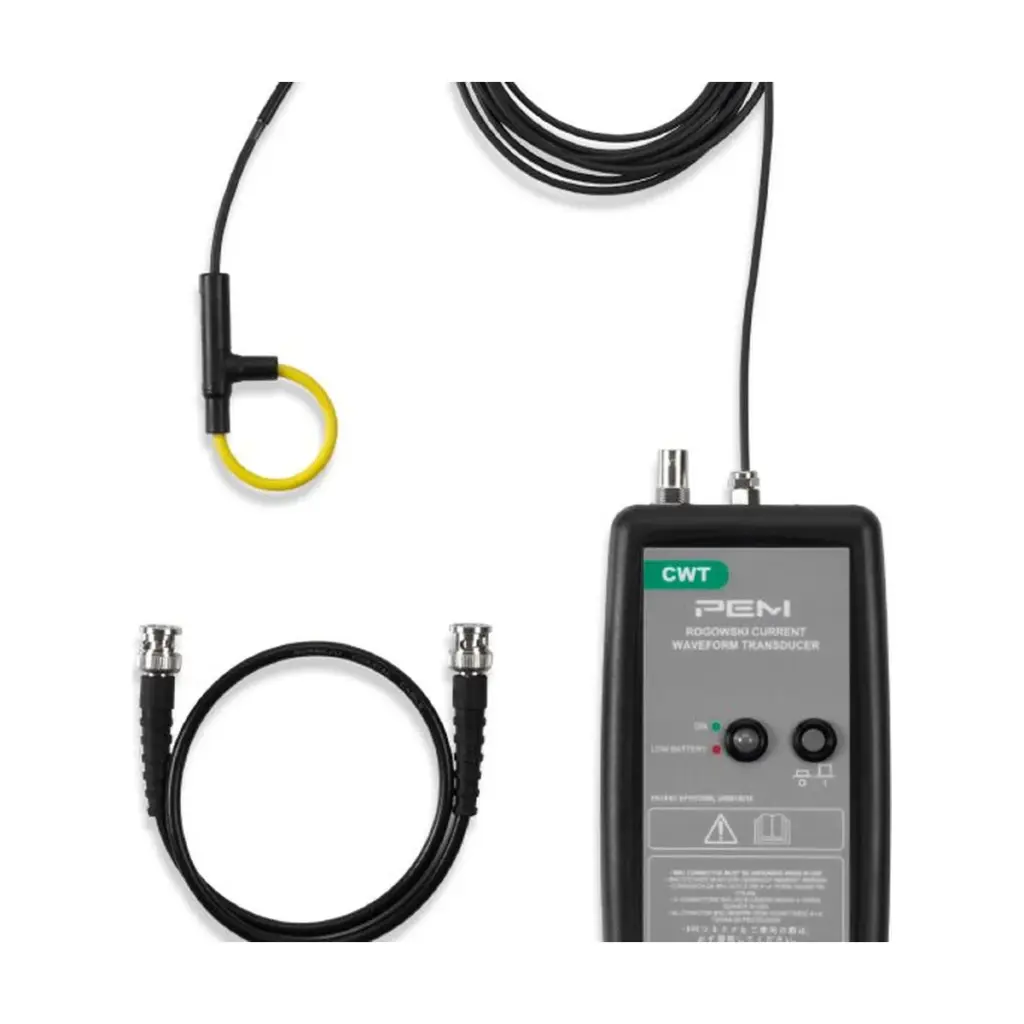
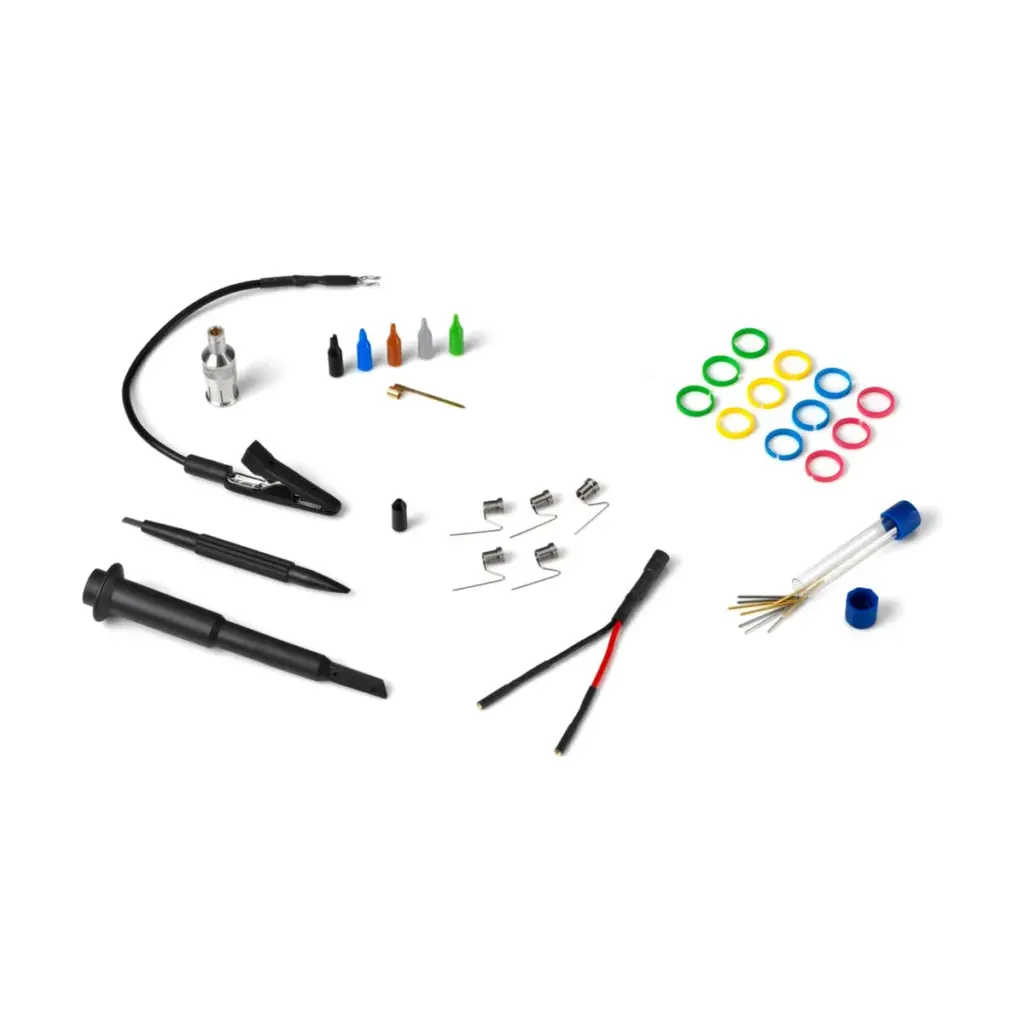
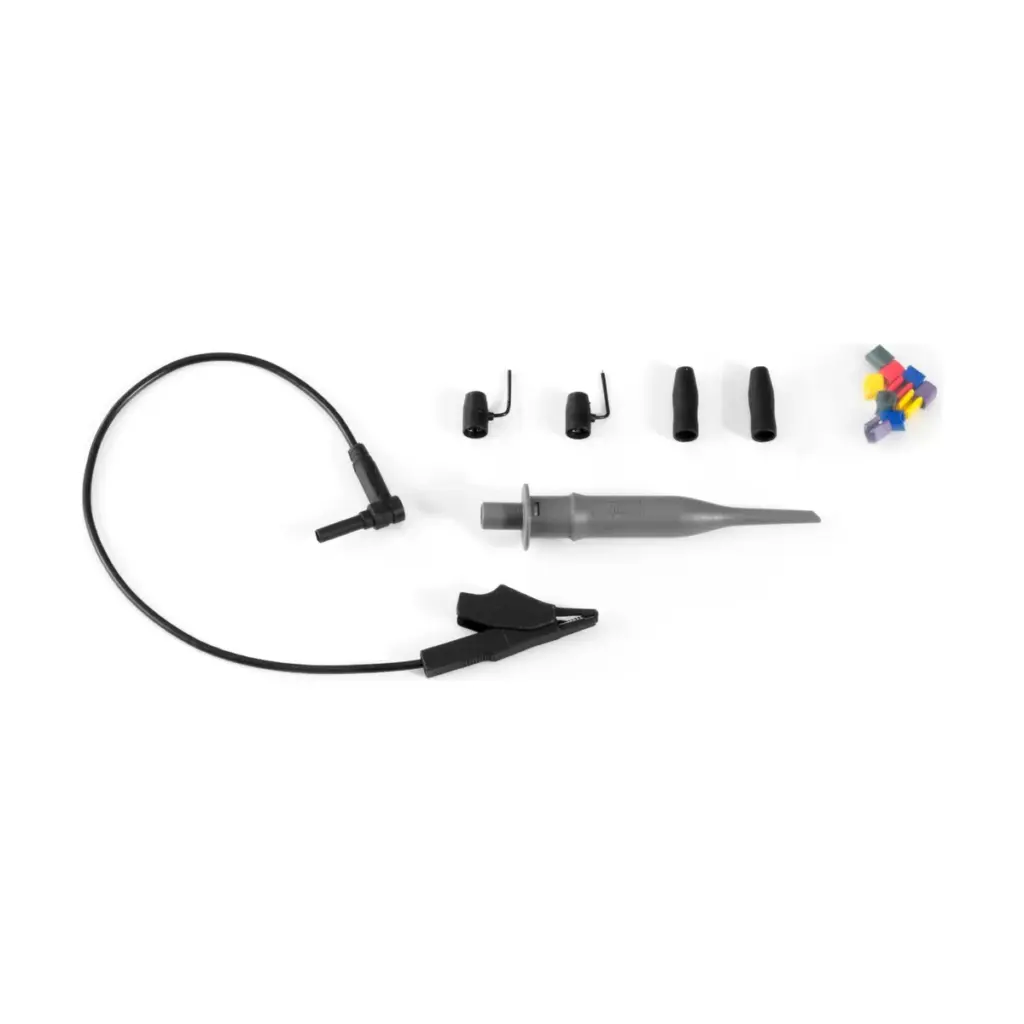
Does the photo show the TICP050?
It shows the TICP100 reference unit. The TICP050 shares that form factor.








Reviews
There are no reviews yet.