
Description
Fast processors and FPGAs pull current in sharp bursts, and their supply rails answer with brief spikes and droops. The Tektronix TPR4000 power rail probe is an active probe built to see those events. It offers 4 GHz bandwidth, 1.25X attenuation and ±60 V of DC offset, and it plugs into a TekVPI oscilloscope. Lost in HCM rents and sells it in Vietnam and arranges service on request.
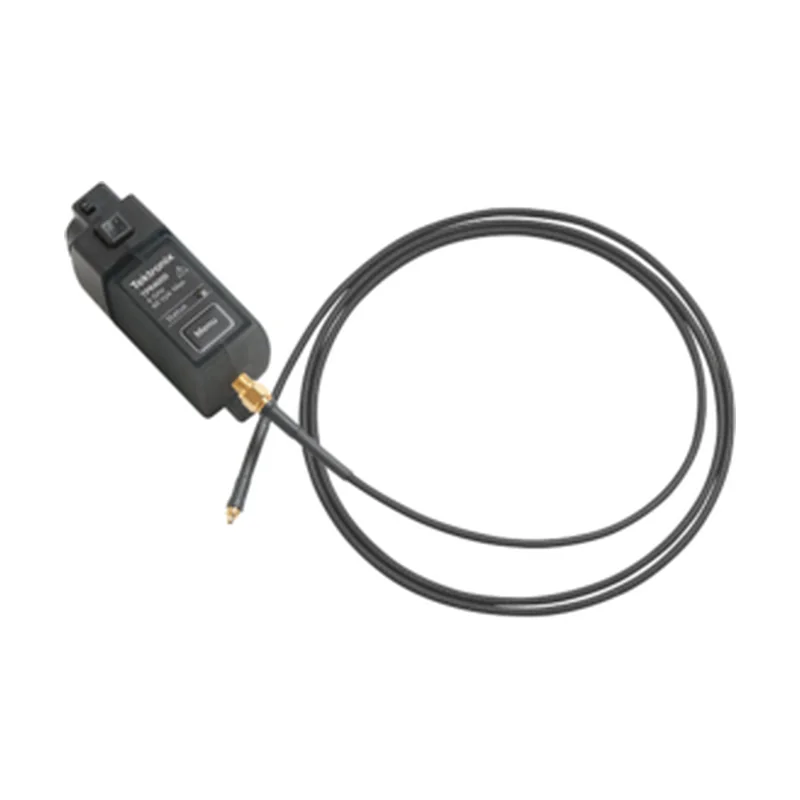
Offset first, then zoom
A rail probe solves a simple problem. You want to see millivolts of noise sitting on a volt or more of DC. So you dial in offset to bring the rail level to the screen center, then choose a fine vertical scale for the ripple. The listing gives ±60 V for offset and ±1 V for dynamic range. These are two different limits, so check both against your rail before you connect.
TPR4000 specifications
| Item | Listed value |
|---|---|
| Bandwidth | 4 GHz |
| Interface | TekVPI |
| Attenuation | 1.25X |
| DC offset range | ±60 V |
| Input dynamic range | ±1 V |
| Input impedance | 50 kΩ DC; 50 Ω AC |
| Input coupling | DC or LF reject |
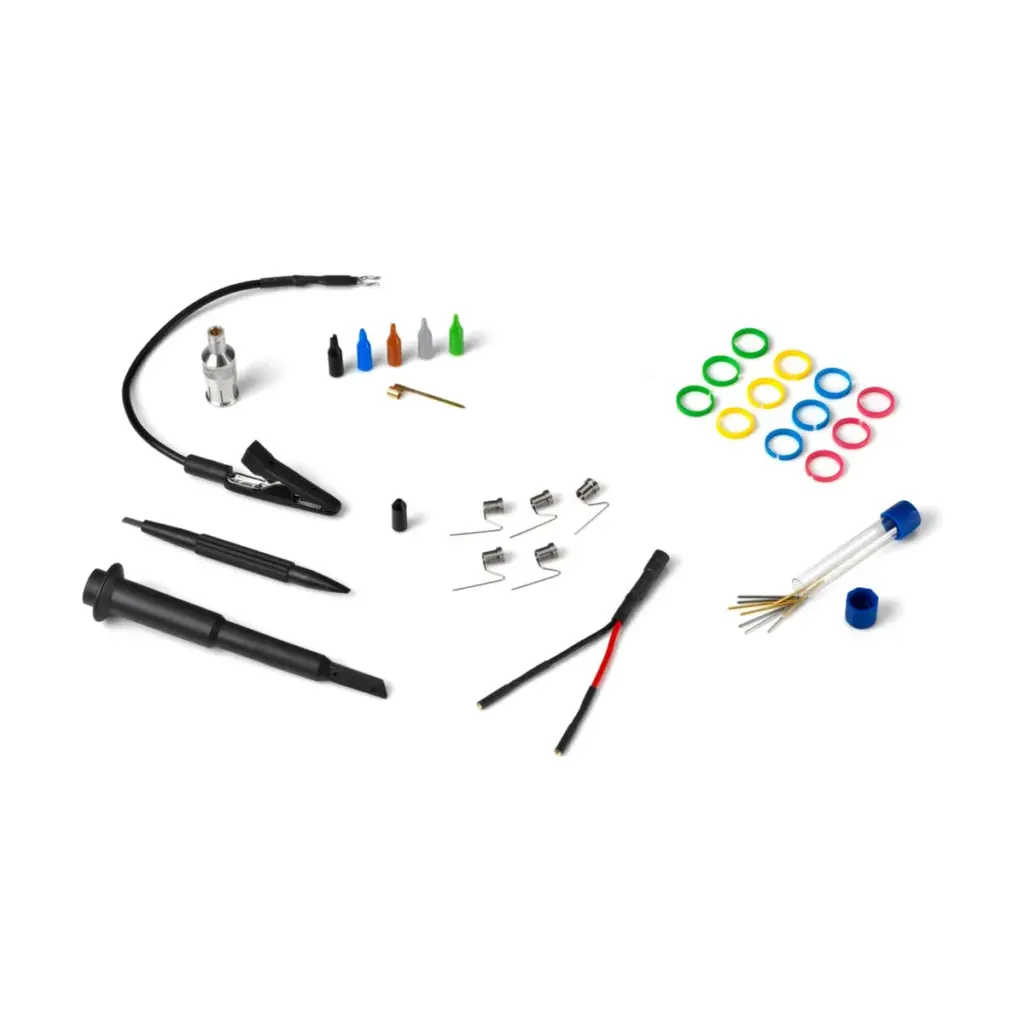
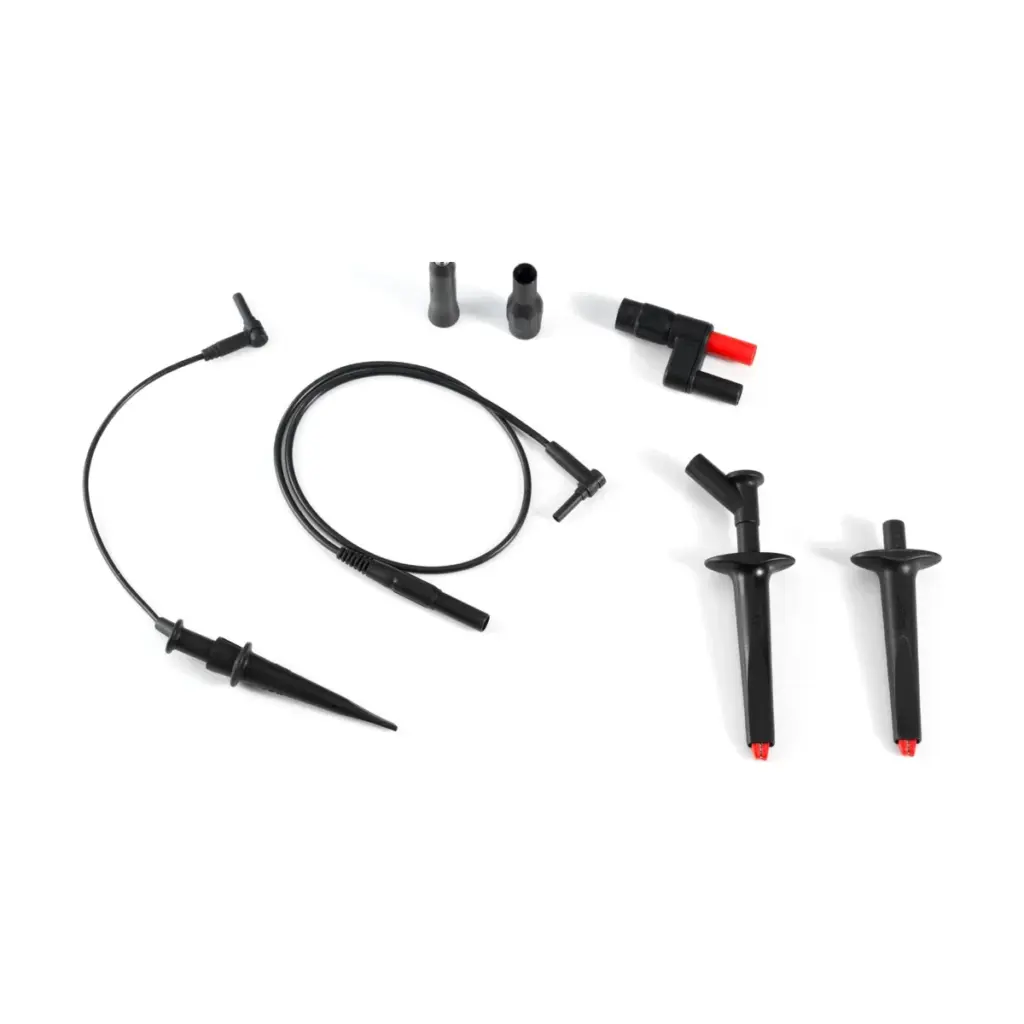
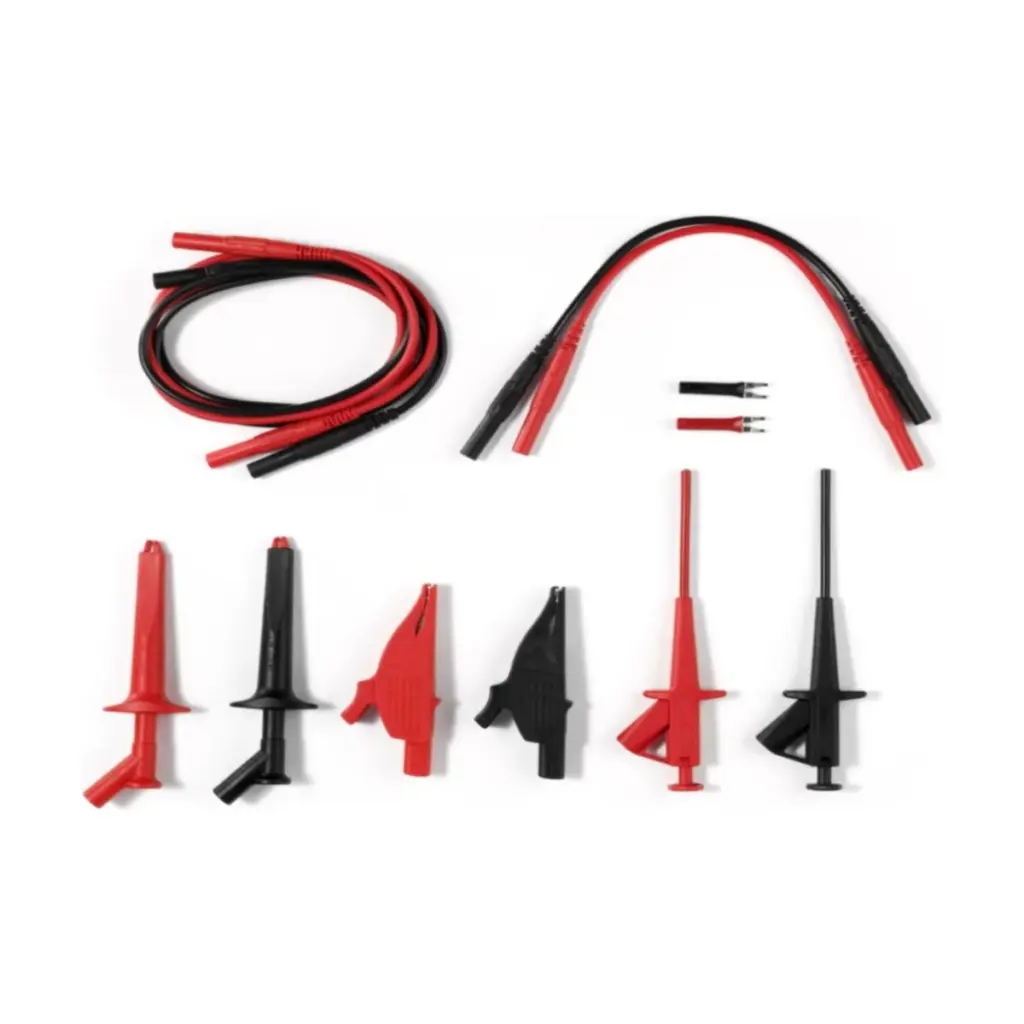
| Standard accessory kit | TPR4KIT (confirm current contents) |
When the Tektronix TPR4000 power rail probe pays off
The TPR1000 listing shares every figure above except bandwidth, which stops at 1 GHz. So the choice turns on the speed of the events you chase. Core rails for processors and FPGAs can show edges that a slower probe smooths away. In that case, the Tektronix TPR4000 power rail probe keeps the detail. For slower converter ripple, by contrast, the extra headroom adds little.
Clean captures on the rail
Connect close to the load, because a test point near the regulator hides what the chip sees. Use a tip or coax link rated for the rail voltage. Keep the ground return short as well. Then hold the bandwidth limit and the vertical scale fixed between runs, so each capture compares fairly with the last. LF reject coupling can also strip slow drift, which leaves the fast content easier to read.
Order through Lost in HCM
Rent it for a board power validation phase or a field failure study, or buy it for a power integrity lab. Then request a quote from Lost in HCM with your scope model, rail voltage, expected ripple and needed accessories. You can also browse the oscilloscope probes range, see tek.com, or contact SMK Vietnam.
TPR4000 questions
Why not use a 10X passive probe for ripple?
A 10X probe divides the small ripple down to near the scope noise floor. At 1.25X, the rail probe keeps far more of the signal.
What comes in the box?
The listing names TPR4KIT as the standard kit. Ask Lost in HCM to confirm the current contents.
Does the 50 kΩ DC input load my rail?
Only lightly. Still, list the rail voltage in your request so Lost in HCM can check the setup.







Reviews
There are no reviews yet.