
Description
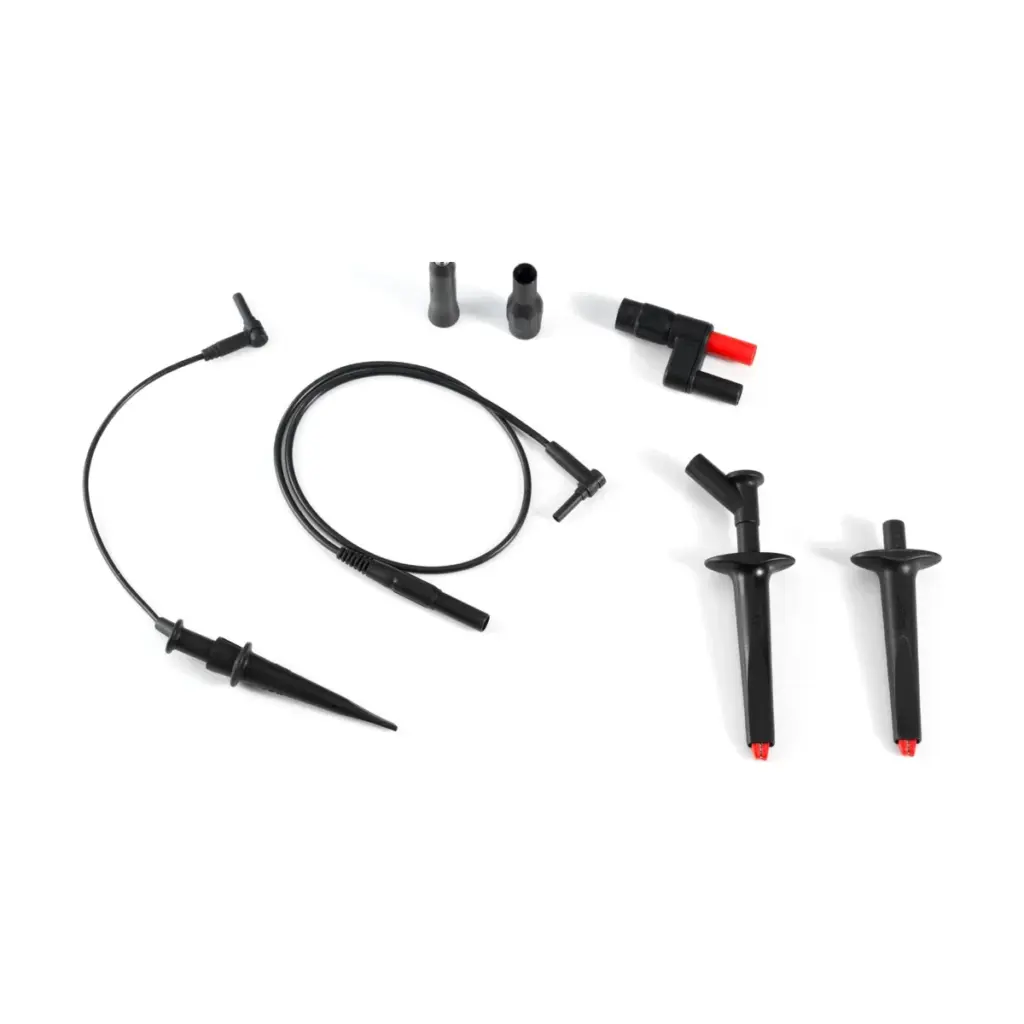
Fast edges expose weak probes first. The Tektronix TAP4000 active probe is a single-ended voltage probe with 4 GHz of bandwidth, the top figure among the TAP listings on this site. Active means a small amplifier sits in the probe head, so the tip loads the circuit very little. Single-ended means it reads one node against ground. It connects to the scope through a TekVPI interface, and Lost in HCM rents it, sells it and arranges service on request.
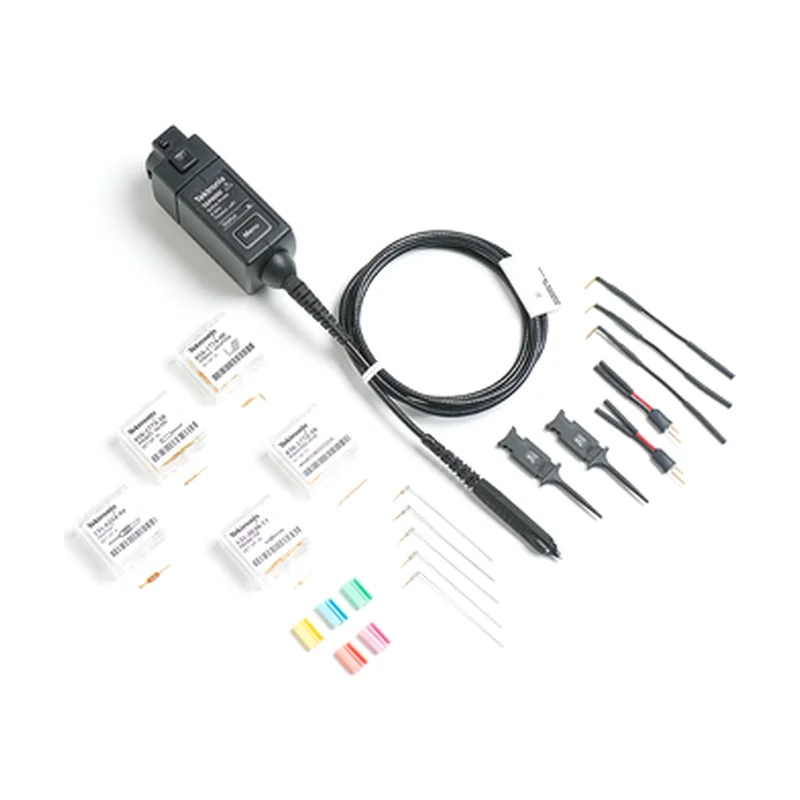
What 4 GHz buys you
Bandwidth decides how much of a sharp edge reaches the screen intact. So with 4 GHz at the tip, quick clock edges, fast data lines and short glitches keep their real shape. However, the probe is only one link in the chain. If the scope is slower, the scope sets the limit. Therefore, pair the Tektronix TAP4000 active probe with a scope that matches or beats it.
Light on capacitance, lower on resistance
The input shows 40 kΩ in parallel with 0.8 pF or less. That tiny capacitance matters most at high speed, because it keeps the probe from rounding off edges. On the other hand, 40 kΩ is far below the 1 MΩ of the TAP1500 listing. As a result, a weak, high-impedance node can sag a little at DC when the tip lands. For logic outputs and clock drivers, this rarely shows.
Tektronix TAP4000 active probe ratings
- Bandwidth: 4 GHz
- Interface: TekVPI (confirm your exact scope model)
- Attenuation: 10X
- Input: 40 kΩ, 0.8 pF or less
- Input dynamic range: ±4 V
- DC offset range: ±10 V
- Maximum nondestructive input: ±30 V DC plus peak AC
Three voltage figures, three jobs
The ±4 V dynamic range is the swing the probe reads at a given offset setting. Offset then moves that window by up to ±10 V, so a small signal on a DC level still fills the screen. Finally, ±30 V marks only the point where damage starts. It does not stretch the range you can measure.
Habits that keep 4 GHz captures honest
At these speeds, a long ground lead adds ringing that the circuit never made. Thus, use the shortest ground path you can and a fine tip on small pads. Also treat the probe head gently, since thin tips bend with little force. Between jobs, store it in its case and keep the TekVPI connector clean.
Hire it or own it
A rental fits a signal integrity review, a board bring-up or a customer failure study. For daily high-speed work, a purchase often pays off. Either way, request a TAP4000 quote from Lost in HCM and list your scope model, signal speed and voltage levels. You can also browse more oscilloscope probes, read the Tektronix datasheet, or contact SMK Vietnam with questions about the Tektronix TAP4000 active probe.
Questions about the TAP4000
How does it differ from the TAP2500?
Both listings give the same input, ranges and interface. Only the bandwidth moves: 4 GHz here, 2.5 GHz on the TAP2500.
Will it run on a scope without TekVPI?
The listing names TekVPI as the interface. So ask Lost in HCM to confirm support for your exact scope first.
Why not just use a passive probe?
A passive probe puts more capacitance on the node, and that slows fast edges. Here the load stays at 0.8 pF or less.








Reviews
There are no reviews yet.