
Description
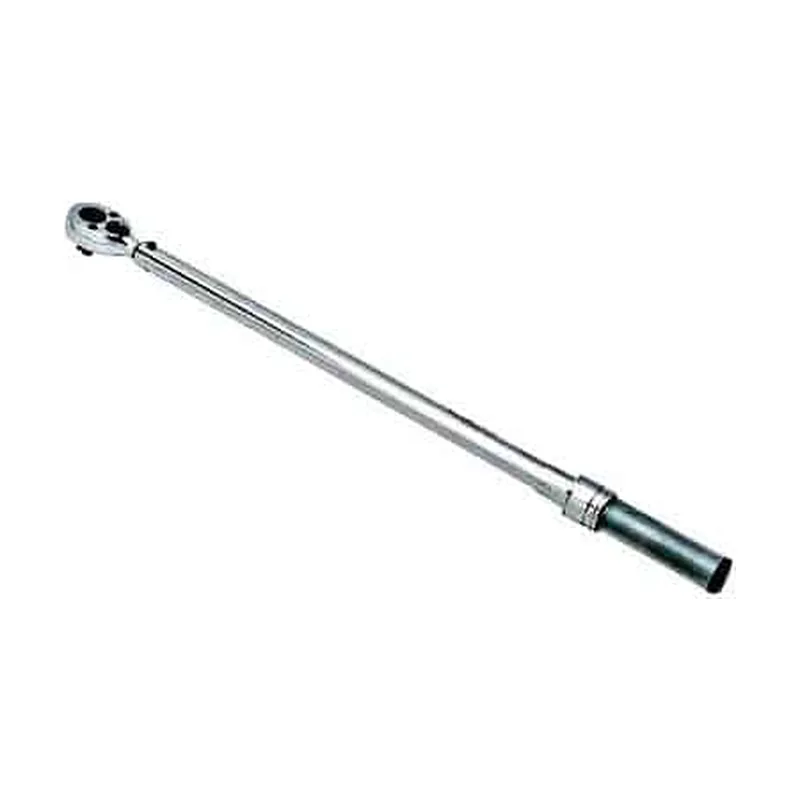
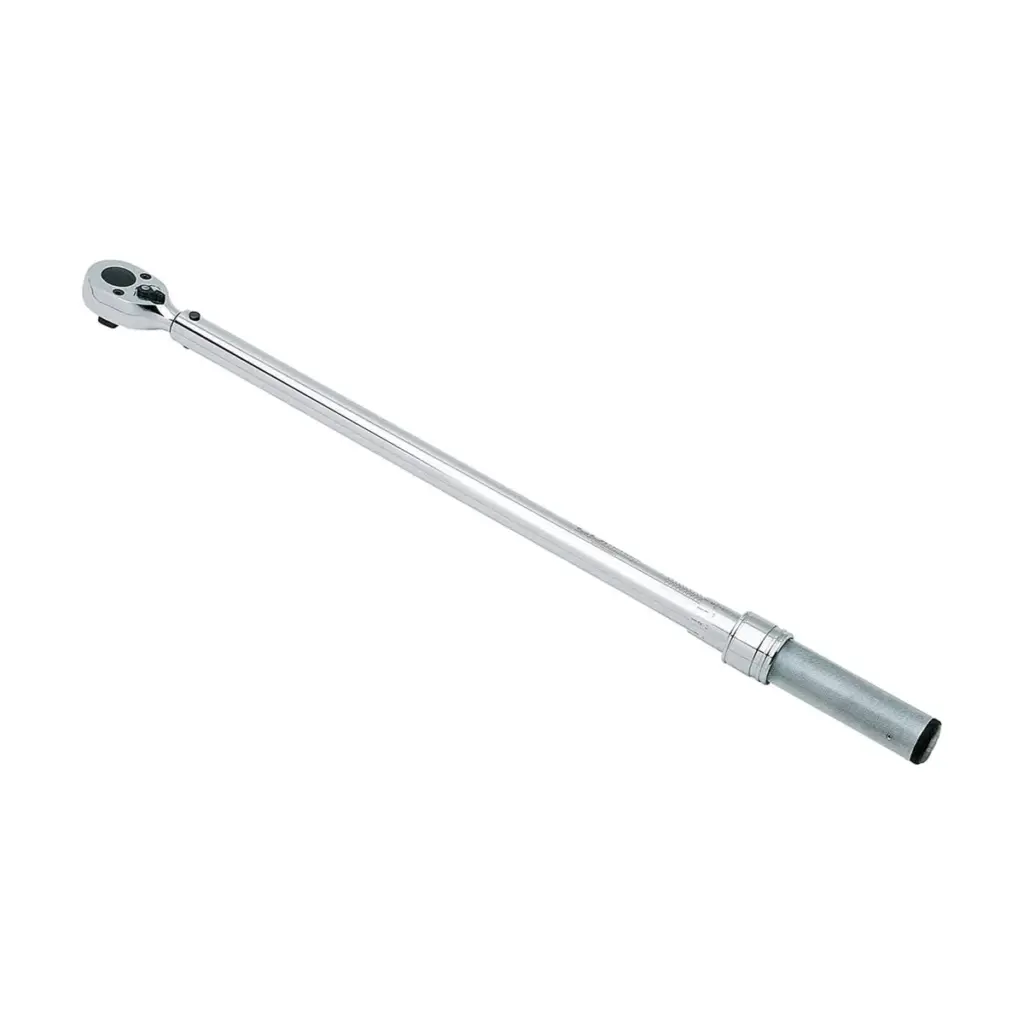
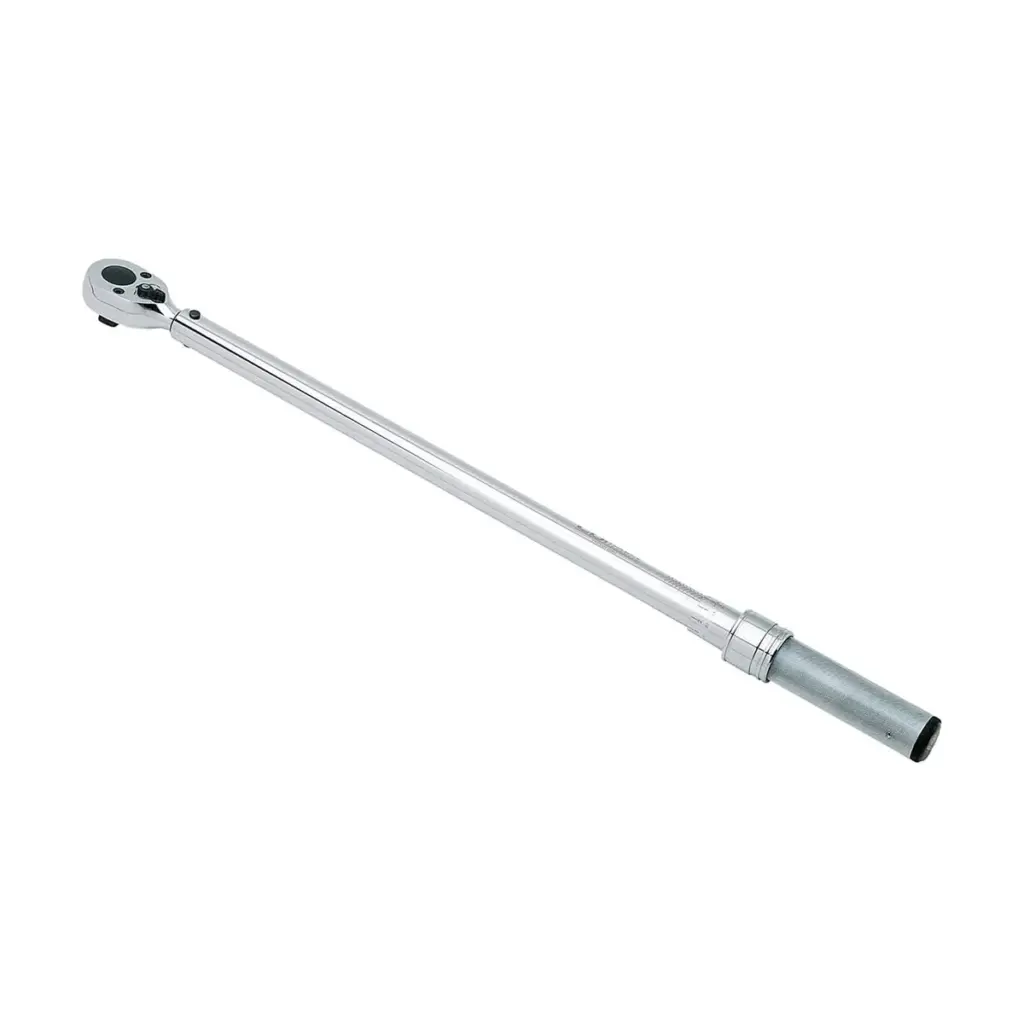
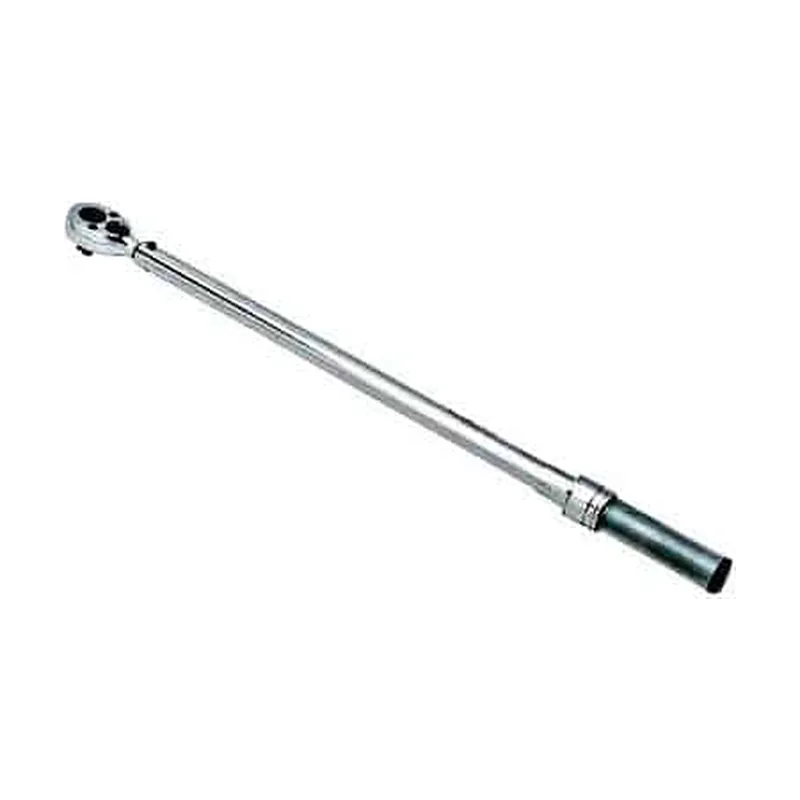
Control panel builders tighten hundreds of terminal and busbar screws on every cabinet they ship. A loose terminal can run hot, while an overdriven one can crack a breaker housing. The Snap-on TESI10C dial torque wrench gives panel fitters a live reading in newton meters on a 1/4 inch drive. It is the Basic Torqometer model, and the listing states that it comes with a calibration certificate.
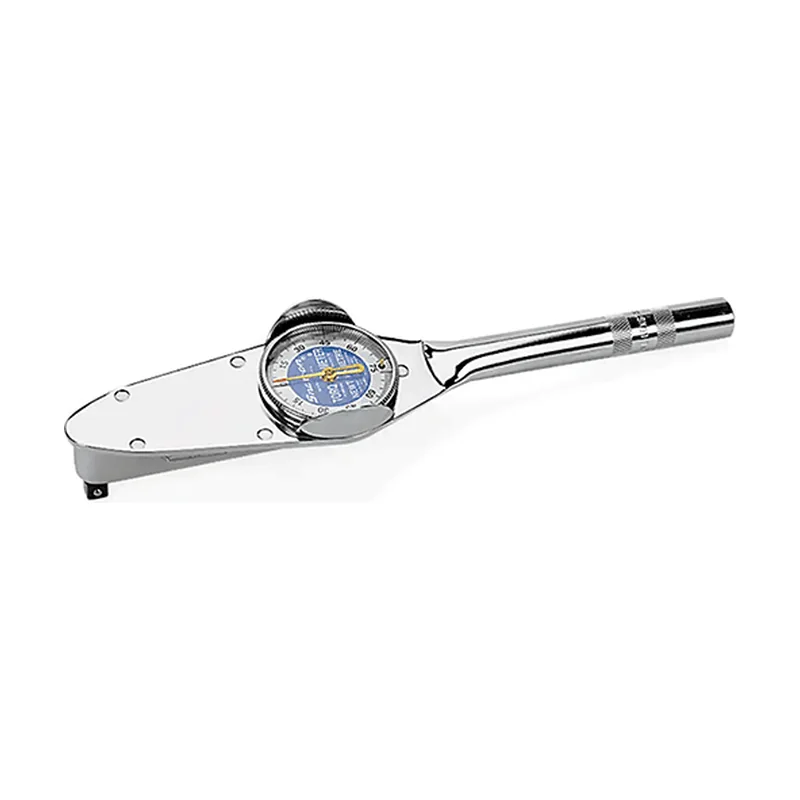
Panel shop work for the Snap-on TESI10C dial torque wrench
Most of these jobs sit at the low end of the torque scale. For example, a small dial fits tasks such as these:
- Terminal screws on molded case breakers and contactors.
- Busbar and earth bar fixings inside distribution boards.
- Cable lug bolts on small feeders.
- Cover and gland plate screws where the device maker gives a value.
However, every device maker publishes its own terminal values. So take the figure from the data sheet, then use the dial to hit it.
TESI10 row in the Snap-on catalog
| Square drive | 1/4 in |
| Range | 10 N·m |
| Increments | 0.5 N·m |
| Length | 9-29/32 in |
| Width | 2-11/16 in |
| Head depth (without drive) | 1-1/4 in |
| Storage case | PB9 |
Snap-on prints these figures for the TESI10 in the Newton Meter Reading/Standard 2% Accuracy table of catalog CAT1500i. That table also says a C on the end of a stock number marks a model with a certificate of calibration. Thus the TESI10C pairs the TESI10 dial with that document.
Reading half-newton-meter steps on one needle
A Basic Torqometer has one needle that shows the torque achieved as you pull. With 0.5 N·m marks across a 10 N·m dial, the fitter sees small changes clearly. In addition, there is no second pointer to reset between screws, so a long row of terminals goes quickly. Release the handle, and the needle drops back for the next screw.
Where the 2% band starts on this dial
Snap-on defines the Standard grade as within 2% of reading from 20% of full scale up to full scale. On the TESI10C, therefore, the band runs from 2 N·m to 10 N·m. For terminal values below 2 N·m, a torque screwdriver or a smaller dial suits better. Also, the rating holds counterclockwise, so the same wrench checks left-hand threads.
Looking after a small dial
Keep the Snap-on TESI10C dial torque wrench in its PB9 case whenever it leaves the bench. Copper dust and cable offcuts collect in panel shops, so wipe the head before storage. Never push past 10 N·m, and never use the wrench to crack a stuck screw. Then send it to an outside lab on a fixed recalibration cycle.
Ordering the Snap-on TESI10C dial torque wrench
Lost in HCM, the SMK Vietnam partner, supplies and quotes this wrench. To price one for your panel line, request a quote from Lost in HCM. You can also compare other torque wrenches on SMK Vietnam, visit snapon.com, or contact SMK Vietnam with a question.
Panel builder questions
Which jobs suit a 10 N·m dial in a panel shop?
Small terminal, cover and bracket screws usually fit. Still, check each value against the 2 to 10 N·m band first.
Does the TESI10C keep the peak reading?
No. This Basic model carries a single needle, so take the reading before you release the handle. A Follow-up model adds a second needle for that job.
Which storage case goes with this size?
Snap-on names the PB9 case in the TESI10 row. Ask Lost in HCM whether your quote includes it.








Reviews
There are no reviews yet.