
Description
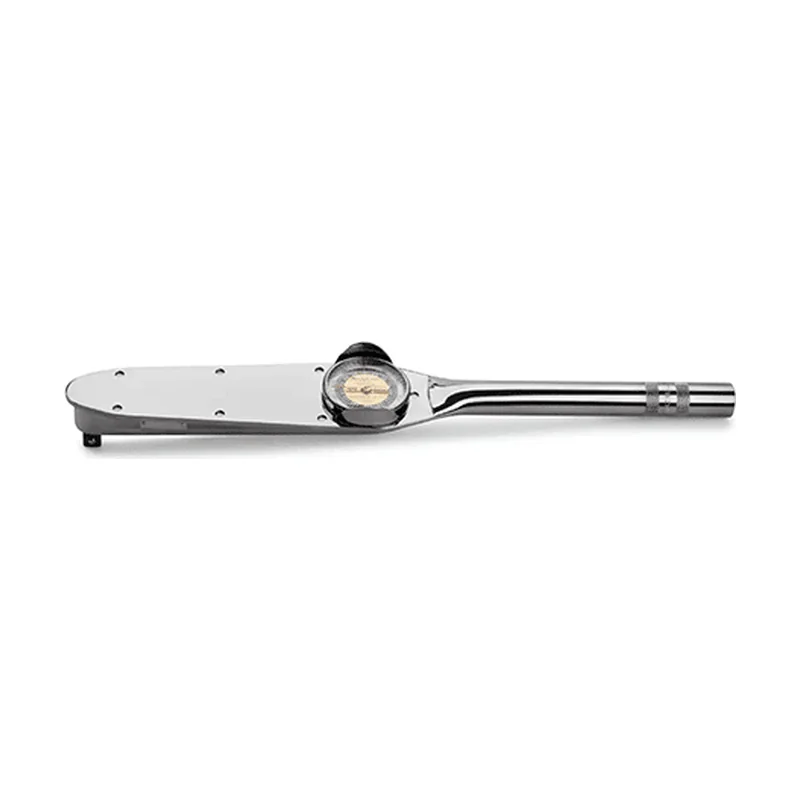
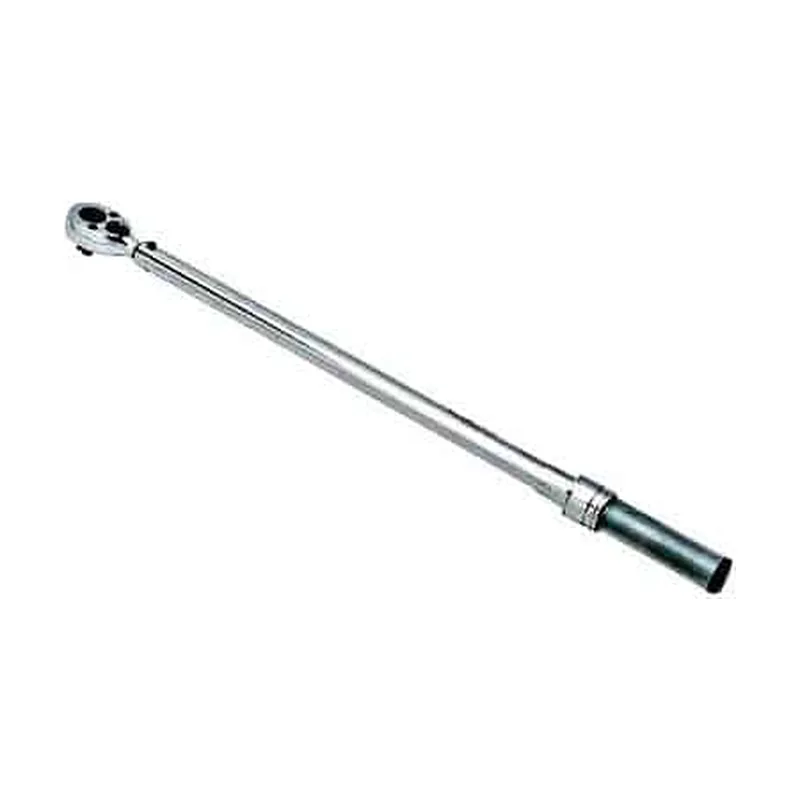
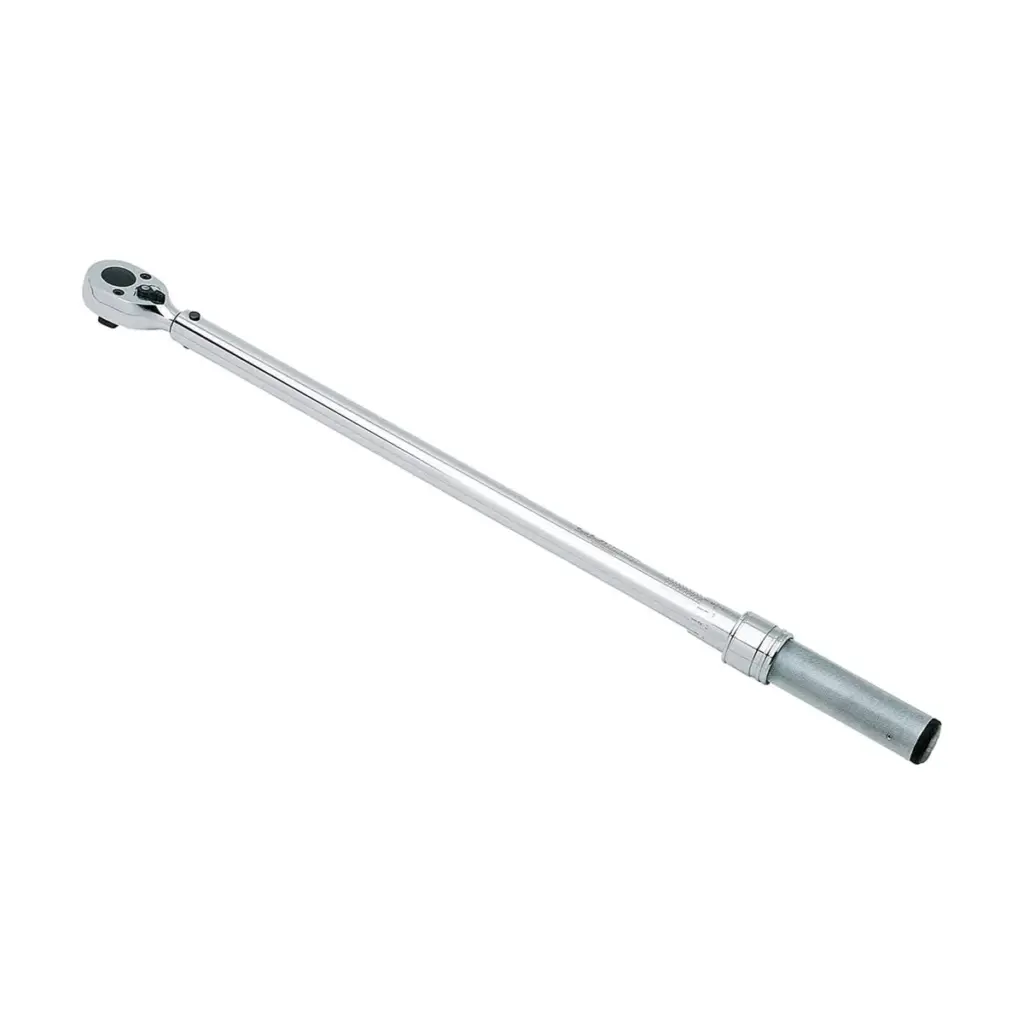
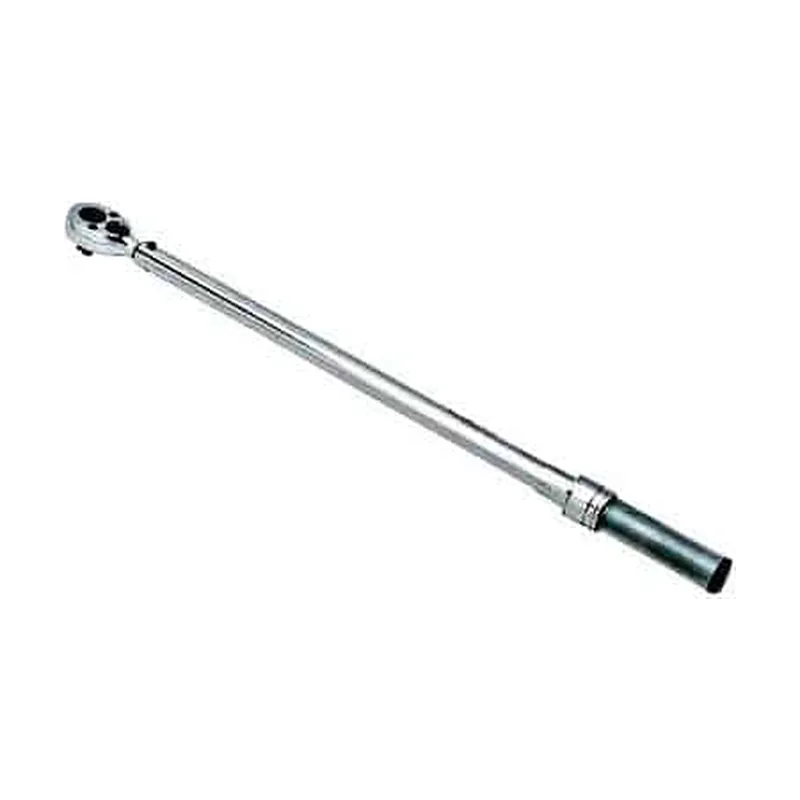
Camera modules, laser heads and lens barrels keep their alignment with a handful of tiny screws. In optics plants across northern Vietnam, a screw that runs a little tight can tilt a lens or crack a mount. The Snap-on TER1A Torqometer gives the bench a number instead of a guess. Its 1/4-inch drive dial reads in inch-pounds and newton meters, and the scale tops out at 15 in-lb, or 1.7 N·m.
Why optics benches need a reading
Optical parts react to stress long before a screw feels firm. For example, an uneven clamp can shift focus or add a slight tilt to the image. So engineers write a torque value into the work instruction, and then they need a way to prove it. With one needle on a clear dial, the TER1A shows the load as it climbs.
Snap-on TER1A Torqometer row in the Precise table
| Item | TER1A (Snap-on CAT1500i p.334) |
|---|---|
| Square drive | 1/4 in |
| N·m range / steps | 1.7 N·m / 0.05 N·m |
| US range / steps | 15 in-lb / 0.5 in-lb |
| Length | 9-29/32 in |
| Width / head depth | 2-11/16 in / 1-1/4 in |
| Storage case | PB9 |
| Needles | One (Basic model) |
This row sits in Snap-on’s Combination US/Newton Meter Reading/Precise 1% Accuracy table. The same row also names two siblings. The TER1FUA adds a follow-up needle, while the TER1LA adds a signal light. Snap-on’s chart note adds that these stock numbers come without a certificate of calibration, and a C suffix orders one.
Optics joints that suit a 15 in-lb dial
- Lens holder and barrel retaining screws on camera modules.
- Mirror and prism mount screws in laser and scanner heads.
- Sensor board screws inside security and dash cameras.
- Small cover plates on projectors and inspection optics.
Still, the part maker’s drawing sets the value, not the wrench. Snap-on states its accuracy from 20% to 100% of full scale. Therefore the TER1A fits targets from about 3 in-lb (0.34 N·m) up to 15 in-lb.
Two scales on one face
Optics suppliers in Vietnam take drawings from Japan, Korea, Europe and the US. Some quote inch-pounds, while others quote newton meters. Because the Snap-on TER1A Torqometer prints both scales on one dial, nobody needs a conversion sheet at the bench.
Keeping the Snap-on TER1A Torqometer bench-ready
Snap-on lists the PB9 storage case for this model, so keep the wrench boxed between shifts and away from solvent trays. Also check that the needle rests on zero before the first pull. Snap-on warns against using a Torqometer to break fasteners loose, so free a stuck screw with another tool. Finally, book regular recalibration with an outside lab, because Snap-on says periodic recalibration keeps the accuracy.
Getting a TER1A for your optics line
SMK Vietnam lists the TER1A as a partner item, and Lost in HCM handles supply and quotes. To price one tool or a set for each line, request a quote from Lost in HCM. For nearby sizes, scan our torque wrenches, see snapon.com, or contact SMK Vietnam.
TER1A questions from optics teams
Which scale should our bench read?
Read the one your drawing uses. The TER1A shows inch-pounds and newton meters on the same face, so the spec decides.
Does the TER1A ship with a certificate of calibration?
Snap-on’s chart says the listed stock numbers ship without one. The certificate form adds a C, so ask Lost in HCM which one fits your audit.
Can it hold the highest reading after release?
No. As a Basic model, it has one needle that shows the torque achieved. For a memory needle, ask about the TER1FUA instead.








Reviews
There are no reviews yet.